
5 Best Endo Rotary Files
Introduction
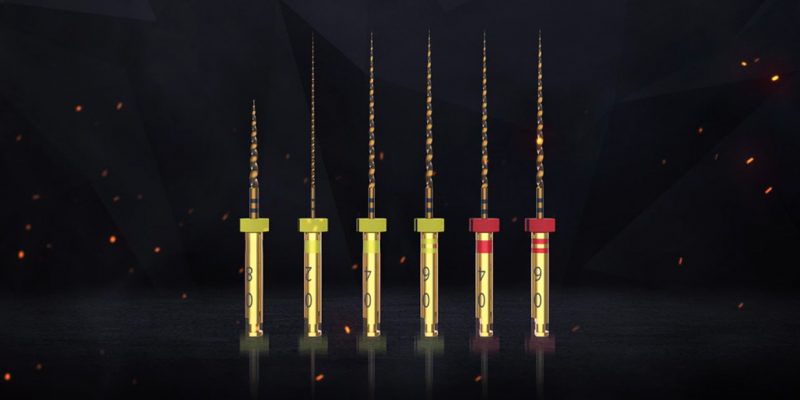
Root canal instruments were earlier made of either carbon steel or stainless steel until 1988 when Walia and colleagues brought a fantastic combination of Nickel and Titanium to the endodontic world. Rotary nickel & titanium files were introduced to the dental sphere in early 1990s. Since then, rotary files have been evolving as per requirement and convenience.
The combination of nickel and titanium has proved to be a boon in dentistry due to its shape memory and superior elasticity. Moreover, this alloy regains its original shape after exposure to certain temperatures, making it an ideal choice for endodontic file systems. Additionally, due to this alloy’s flexible nature, the files follow the path of root canals and are therefore exemplary for curved canals. Furthermore, with increased durability and torquability, they deliver optimum and sustainable results.
Their features do not limit their use to particular cases thereby reduced file failures and jeopardized root canal procedures to almost negligible.
Purpose
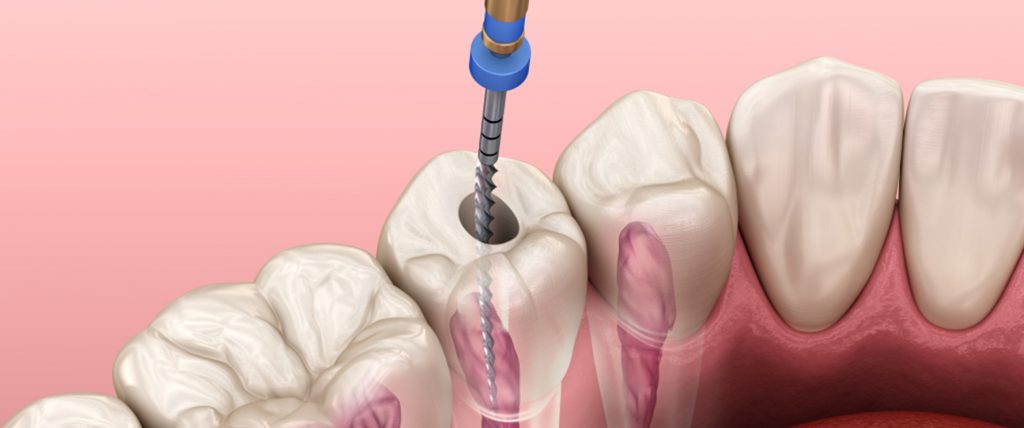
The impetus behind this evolution extends beyond canal anatomy and treatment success to clinician and patient comfort. Rotary endodontic files are evolving to replace conventional hand files for efficient canal shaping. They achieve optimal shaping in less time with minimal effort. This evolution also helps prevent mishaps such as ledge formation, perforation, and file breakage.
However it is described—whether as development, advancement, modification, revision, or innovation—overall, progress in the field of dentistry continues to be a never-ending and evolving process.
Evolution is all about change and every small change towards growth makes a difference, as appropriately phrased, “Little by little becomes a lot”.
They can be broadly classified into five generations:
First generation (1992 onwards)
The most notable NiTi rotary instruments in this category are LightSpeed Endodontics (1992), Profile-Dentsply (1993), Quantec-SybronEndo (1996), and GT system-Dentsply (1998)
Second generation (2001 onwards)
This generation comprise ProTaper Universal by Dentsply, K3 SybronEndo, Hero Shaper by Micro-Mega, Mtwo by VDW, I Race and I Race Plus by FKG Dentaire.
Third generation (2008 onwards)
This category was defined by K3 XF Files by SybronEndo, Profile GTX Series by Dentsply, HyFlex CM by Coltene, and Vortex Blue by Dentsply Tulsa.
Fourth generation (2011 onwards)
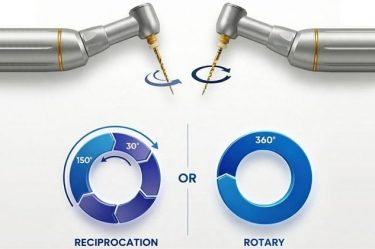
Wave One by Dentsply, SAF by ReDent Nova and Reciproc by VDW, fall in this category.
Fifth generation (2013 onwards)
File systems which mainly constitute this category are ProTaper Next and Gold by Dentsply, Super Gold Flex by SuperEndo, Wal-flex by Waldent, NeoEndo Flex, One Shape and Hero Gold by Micro Mega.
Basic design of any rotary file constitutes of following features:
- Tip
- Taper
- Pitch
- Helical angle
- Rake angle
- Radial land

Rotary endodontic files are every aspiring dentist’s choice to achieve optimum results as Louis I. Grossman rightly states in his book that “Cleaning and shaping the root canal comprise the most important phase of endodontic treatment“.
Rotary files play a distinct role in successful root canal treatment, from cleaning and shaping to canal obturation. An ideal canal should have a continuous taper from the orifice to the apical tip. This allows a snug fit of gutta-percha or other filling materials. The material should adapt to canal walls and reach the apical end. A promising rotary file system, combined with the dentist’s skill and precision, prepares excellent canals for successful root canal completion.
This article focuses on the features and specifications of five renowned endodontic rotary file brands, although many others also compete in the market.
5 Best Endo Rotary Files
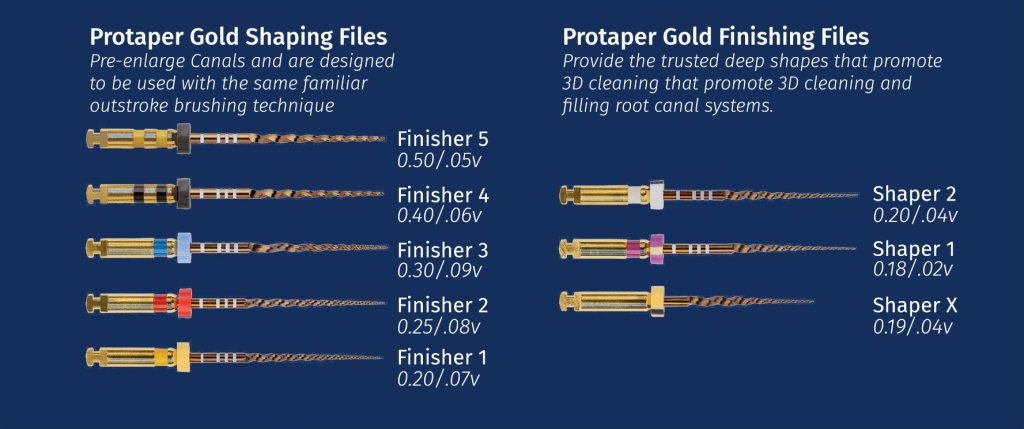
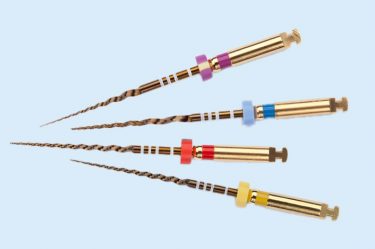
1. Dentsply Protaper Gold
These are the most preferred rotary file system used by dental practitioners to experience both shaping and finishing together in the process. These files offer magnificent flexibility and ability to navigate the apical curvatures.
These files have a shorter handle which is about 11 mm. The more the curvature of the canal and the number of rotations of the file, more is the fatigue to the file. They also offer good resistance to cyclic fatigue thus offering a sorted root canal procedure. Click “here” for more information.
Price: 2250/-
Speed: 300 rpm, Torque: S1 & SX – 5.1 Ncm, S2 & F1 – 1.5 Ncm, F2 F3 F4 F5 – 3.1 Ncm
2. Waldent Wal-flex Gold
Most of the features required for an efficient rotary file system are offered by Waldent Wal-flex Gold. These files offer unique flexibility, cyclic fatigue resistance, non-cutting tip, corrosion resistance and are also economical. After accessing the tooth, the dentist first removes debris from the canals and then shapes them. These files systematically evacuate pulp tissue along with casting a required shape to the canals. They engage very well even with obliterated, calcified and severely curved canals. Click “here” for more information.
Price: 1095/-
Speed: 250-350 rpm, Torque: 1.5-3Ncm
3. Super Endo Super Gold Flex
SuperEndo Super Gold flex files possess all advanced features like variable taper design, superior flexibility, great cutting efficiency, fatigue resistance etc. at a very economical price. These files are extremely friendly for the dental practitioner as they can pre-bend for curved root canals.
They are designed to regain their shape after autoclave sterilization, allowing repeated use in multiple cases. The taper reduces forces on canal walls and preserves dentin.
Price: Rs. 895/-
Speed: 300-350 rpm, Torque: 1.5-2 Ncm
4. NEOENDO Flex Files
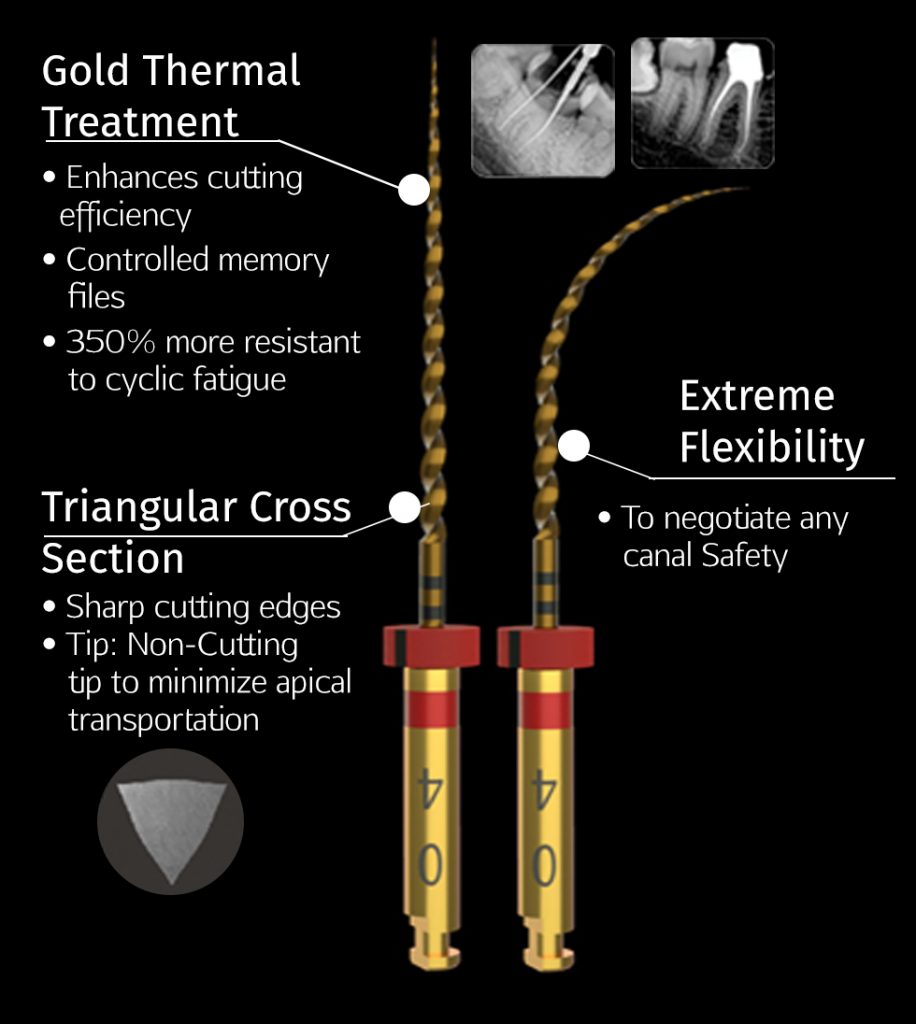
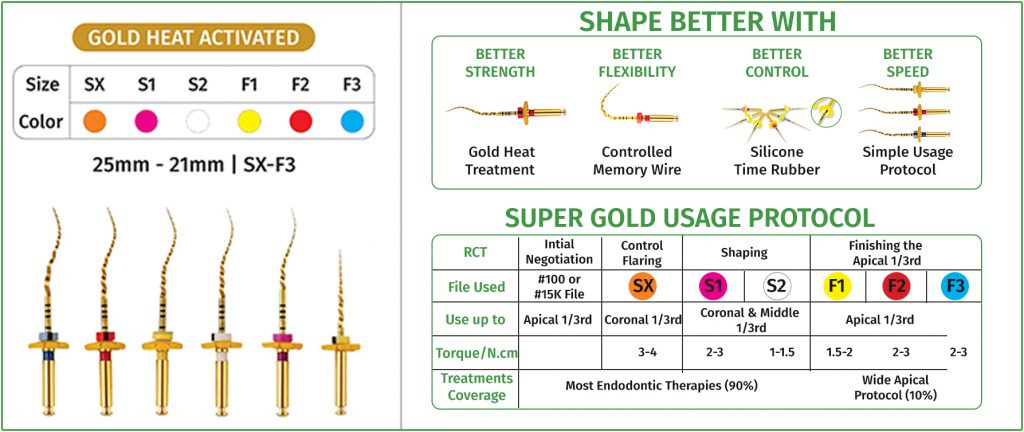
Neoendo Flex files deliver cutting efficiency and provide excellent flexibility. These rotary files bear a non-cutting safety tip at the apical third so as to avoid accidental breakage. Cross section of these files reveals their triangular design which offers supreme cyclic fatigue resistance.
In most cases, dentists use only 2–3 files, which simplifies the process and reduces the time required. Neoendo flex files undergo advanced gold thermal treatment to impart superior cutting efficiency. Prolonged surface heat treatment reduces the opening of flutes under resistance forces inside the canal. Click “here” for more information.
Price: Rs, 1400/- for a pack of six files.
Speed: 350rpm, Torque: 1.5 NCm
5. Micro mega Hero Gold
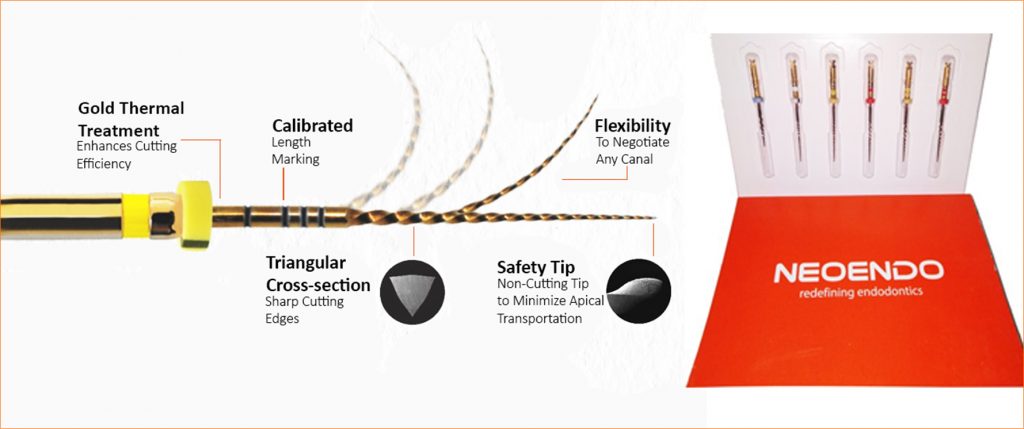
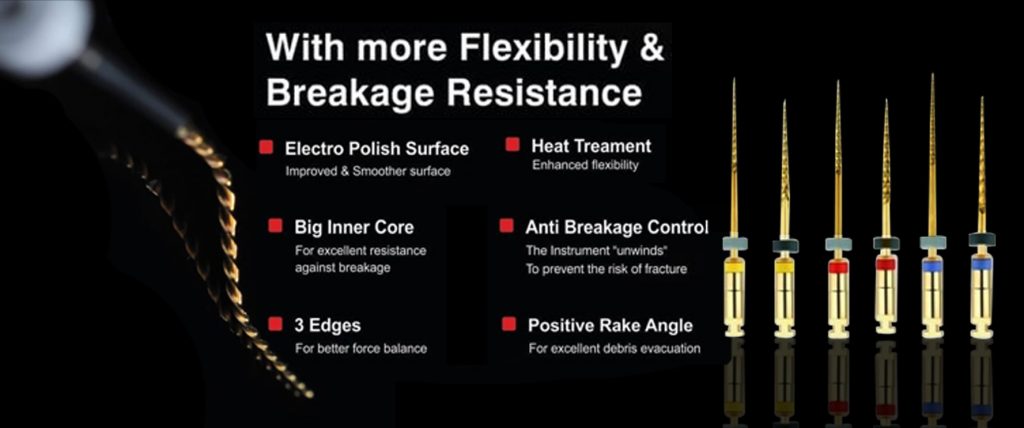
These files are available in in dual taper variants that is 4% and 6%. Taper is 4% at the apical third which goes up to 6% for the coronal third. Hero gold is a single use file system which completes shaping process in one go with least number of instruments. It bears three edges for division and balancing of forces. Its big inner core provides resistance to accidental breakage.
It has a helical pitch which efficiently extirpates pulp tissue and shapes the canal with an optimum flair along with good flexibility. The helical design varies as the taper varies along the length of the file hence minimises operator fatigue and offers a smooth experience to the patient. This single file system along with its other characteristics makes the root canal treatment procedure hassle-free and less time consuming. Click “here” for more information.
Price: Rs. 1850/-
Speed: 450-600 rpm, Torque: 1.2 Ncm
Conclusion
With ever growing advanced technology in endodontic procedures, rotary files have evolved to make the process simpler for dentists and patients. While dentists still use hand files in combination with NiTi rotary files to reduce drawbacks of traditional filing systems, rotary preparation offers new perspectives and advances endodontics.
The above given information and mentioned brands are additions to the existing pool of knowledge with no intention to promote any brand. The order of brands mentioned is not based on surveys or other factors, but on personal experience, and may vary from others’ opinions.
FAQ for Rotary Files
Rotary files are used in endodontics to shape and clean root canals during root canal treatments. They are motor-driven and made of nickel-titanium, aiding in the efficient removal of infected tissue.
Endo files clean and shape root canals in root canal therapy. They remove infected pulp tissue and prepare the canal for filling, available in various sizes and designs for different anatomical challenges.
The best rotary file depends on the specific procedure and dentist preference. Popular brands include ProTaper, WaveOne, and Reciproc, chosen based on flexibility, efficiency, safety, and durability.
H-files (Hedstrom files) and K-files (Kerr files) are hand files used in root canal therapy. K-files are twisted for cutting and scraping, while H-files have a spiral design for more aggressive cutting and debris removal.

No Comment