
Managing Tooth HyperSensitivity: Diagnosis & Treatment Options

Tooth sensitivity—also known as dentin hypersensitivity—is a common problem where teeth experience sharp pain when exposed to certain triggers like hot, cold, sweet, or acidic foods. It can also be triggered by brushing, flossing, or even breathing in cold air. This sensitivity can range from mild discomfort to intense pain, and it affects millions of people. But, there are effective ways to diagnose and treat this condition.
What is Tooth Sensitivity?
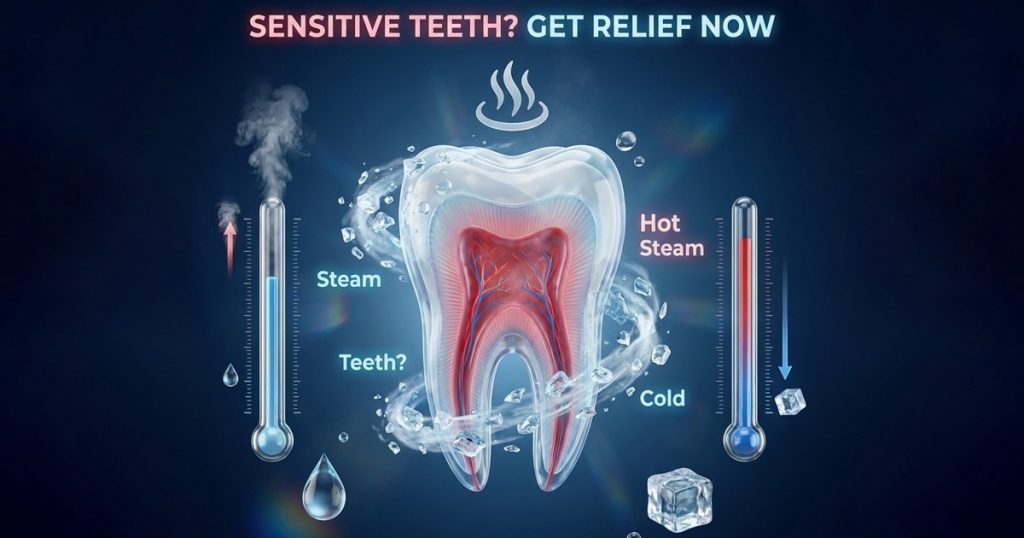
Tooth sensitivity occurs when the protective enamel on your teeth breaks down, exposing the dentin. Dentin is the tissue that covers the nerve endings in the tooth. When this tissue is exposed to external stimuli (like cold drinks or brushing) it can irritate the nerves, causing pain.
This sensitivity can be temporary or long lasting, and it may occur in one or multiple teeth. People often notice it when they drink something cold, eat something sweet, or even when they brush their teeth too hard.
Causes of Tooth Sensitivity
There are several reasons why tooth sensitivity happens. Some common causes include:

- Worn enamel: Over time, the hard outer layer of your teeth can wear away due to factors like acidic foods, beverages, and aggressive brushing. Once the enamel is worn down, the underlying dentin is exposed.
- Gum recession: When gums pull back, the tooth roots become exposed. Roots don’t have enamel, so they are more sensitive to touch or temperature changes.
- Cracked teeth or cavities: A crack or cavity in the tooth can expose nerves, leading to sensitivity.
- Teeth grinding (bruxism): Habitual grinding or clenching can cause enamel to wear down and expose sensitive parts of the tooth.
- Whitening products: Some people may develop sensitivity after using teeth-whitening products, especially if used too frequently or incorrectly.
Diagnosing Tooth Sensitivity
The first step in treating tooth sensitivity is to identify its cause. If one experience frequent or severe pain, visiting dentist for a proper diagnosis is essential.

What to Expect During a Diagnosis:
- Your dentist will ask about symptoms—when the pain occurs, how intense it is, and what triggers it.
- A visual examination will be done to check for visible enamel loss, cavities, or cracks.
- The dentist may perform a pulp vitality test to check for nerve damage or infection.
- X-rays may be taken to assess the overall health of your teeth and gums.
Once the cause is identified, your dentist can recommend a treatment plan to manage sensitivity.
Theories of Dentinal Hypersensitivity
There are multiple explanations for hypersensitivity, each trying to describe how stimuli translate into pain:
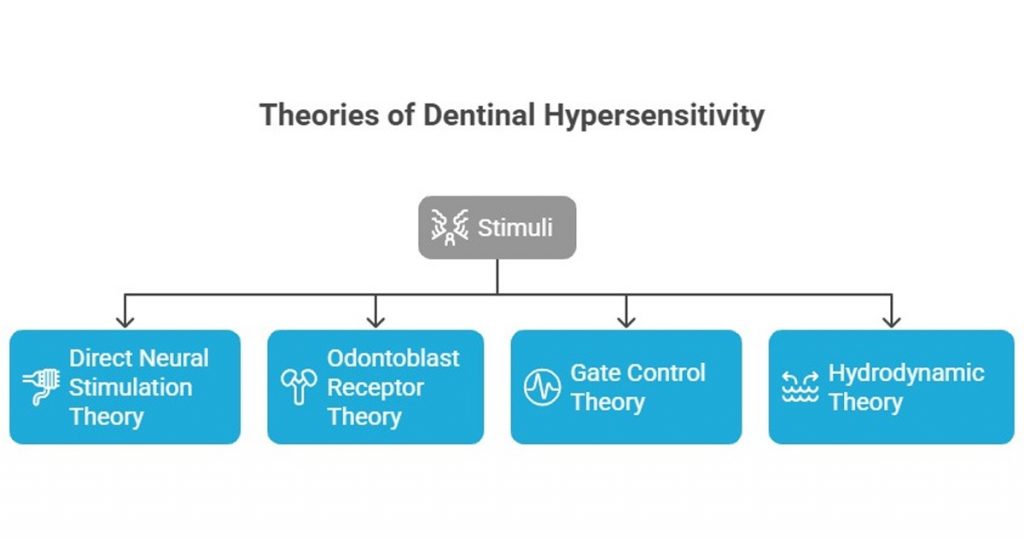
- Direct Neural Stimulation Theory: Stimuli directly excite nerve fibers within the dentinal tubules.
- Odontoblast Receptor Theory: Odontoblasts act as sensory transducers and transmit signals to pulpal nerves.
- Gate Control Theory: Pain signals are modulated by competing neural inputs at the spinal or trigeminal processing level.
- Hydrodynamic Theory (Accepted): Fluid movement inside dentinal tubules triggers nerve stimulation.
Accepted Theory: Hydrodynamic Theory
This is the only explanation consistently supported by research.

When dentin is exposed the stimuli cause rapid outward or inward movement of the fluid inside dentinal tubules.
This sudden movement mechanically stimulates the A-delta nerve fibers at the pulpal end of the tubules, producing the quick, sharp pain typical of dentin.
Treatment Options for Hypersensitive Teeth
1. Desensitizing Toothpaste
One of the most common treatments for tooth sensitivity is using a desensitizing toothpaste. These toothpastes contain material that help block the transmission of pain signals from the surface of the tooth to the nerve. They can provide relief over time with consistent use.
2. Fluoride Application
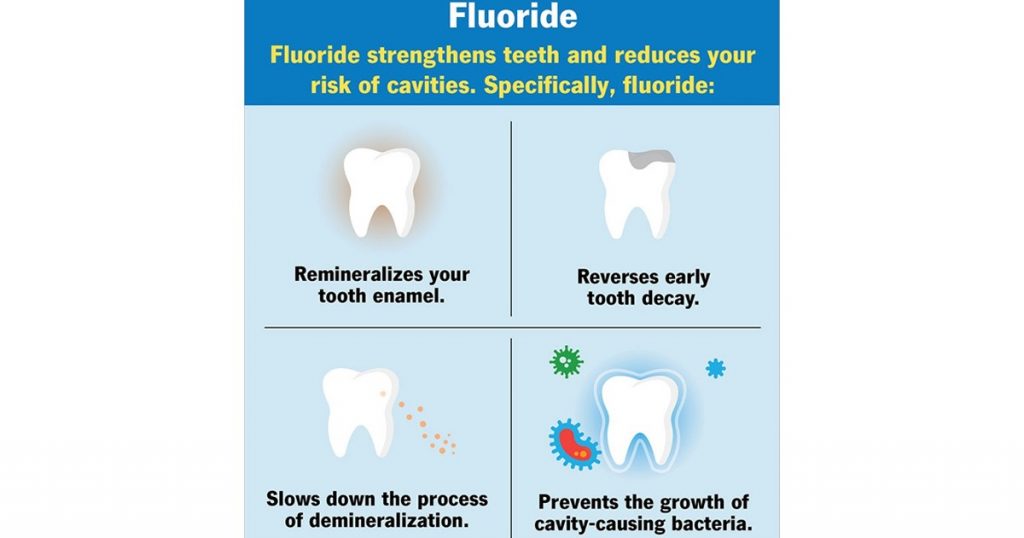
Fluoride strengthens the enamel and helps reduce pain by making the tooth less sensitive. Dentist may apply a concentrated fluoride gel or varnish directly to the teeth. This can help build up enamel and protect sensitive areas.
3. Dental Sealants
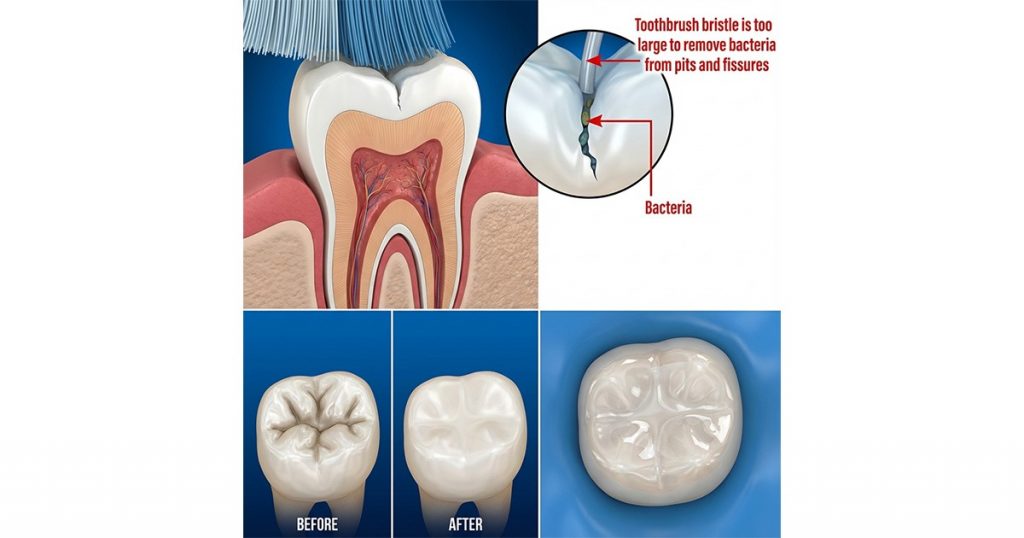
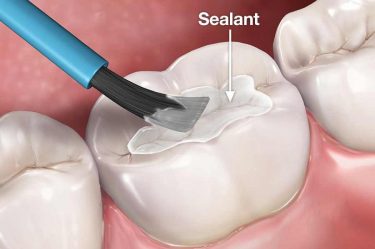
For patients with exposed dentin, dental sealants can be applied to protect the affected areas. Sealants are a thin, protective coating that can cover the sensitive parts of the teeth, reducing exposure to triggers.
4. Gum Grafting
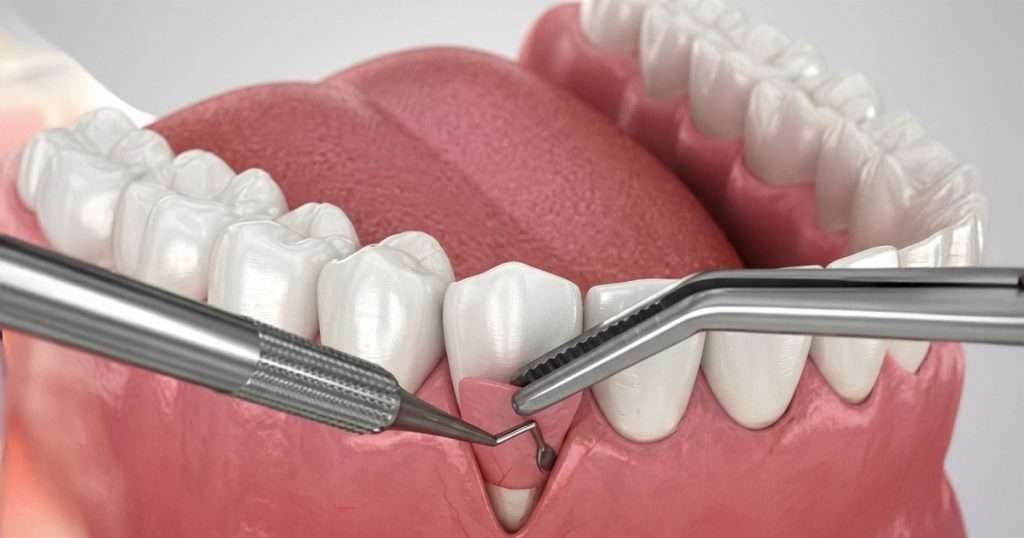
If gum recession causes your tooth sensitivity, your dentist might recommend a gum graft. In this procedure, they use tissue from another part of your mouth to cover the exposed tooth roots, reducing sensitivity.
5. Root Canal Therapy
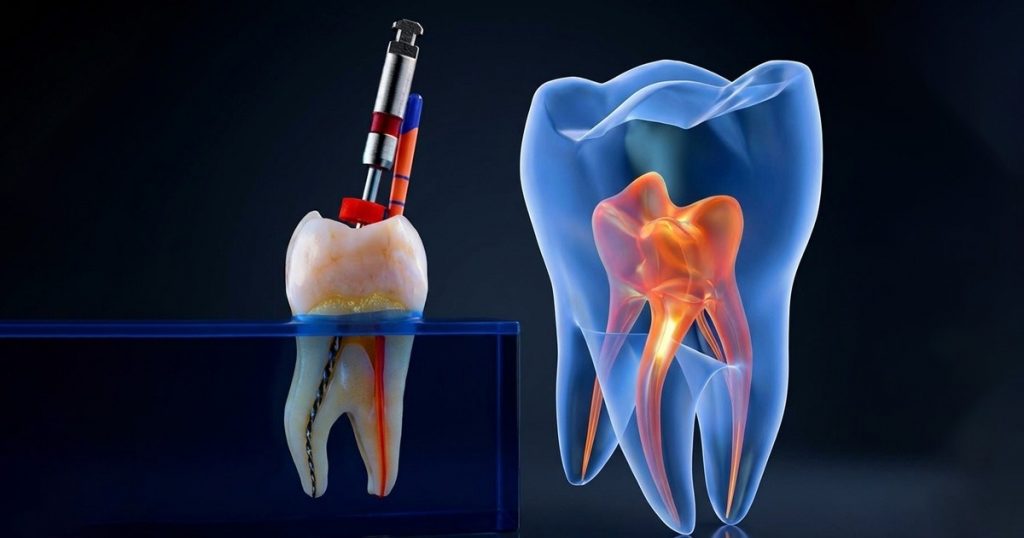
In cases where sensitivity is caused by an infected or damaged nerve, a root canal may be necessary. This procedure involves removing the infected nerve from the tooth and sealing it, eliminating pain caused by nerve exposure.
6. Lifestyle Changes
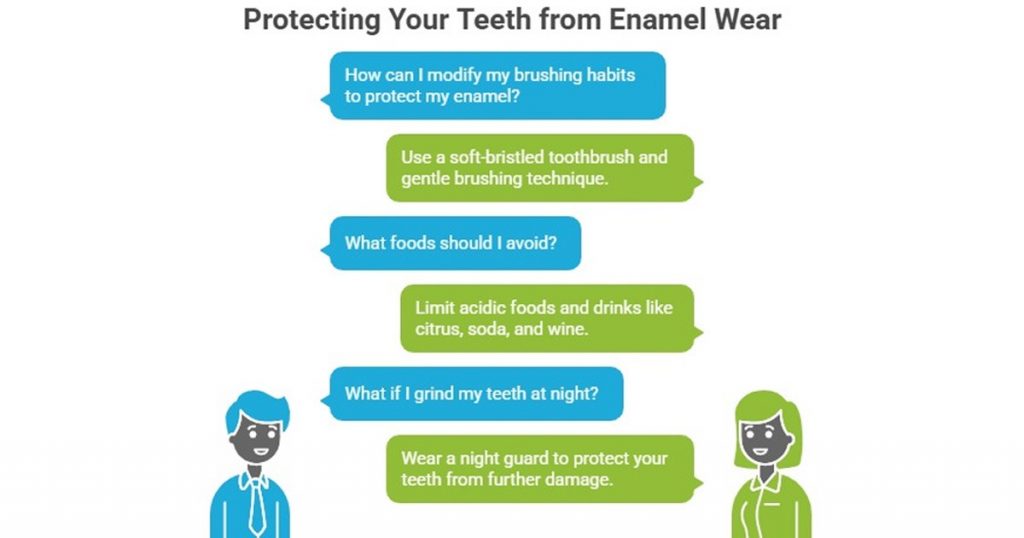
- Modify your brushing habits: Use a soft-bristled toothbrush and gentle brushing technique to avoid further enamel wear.
- Avoid acidic foods: Limit foods and drinks that are high in acids, such as citrus, soda, and wine.
- Use a night guard: If you grind your teeth at night, wearing a night guard can protect your teeth from further damage.
How Tooth Sensitivity Impacts Different Age Groups:
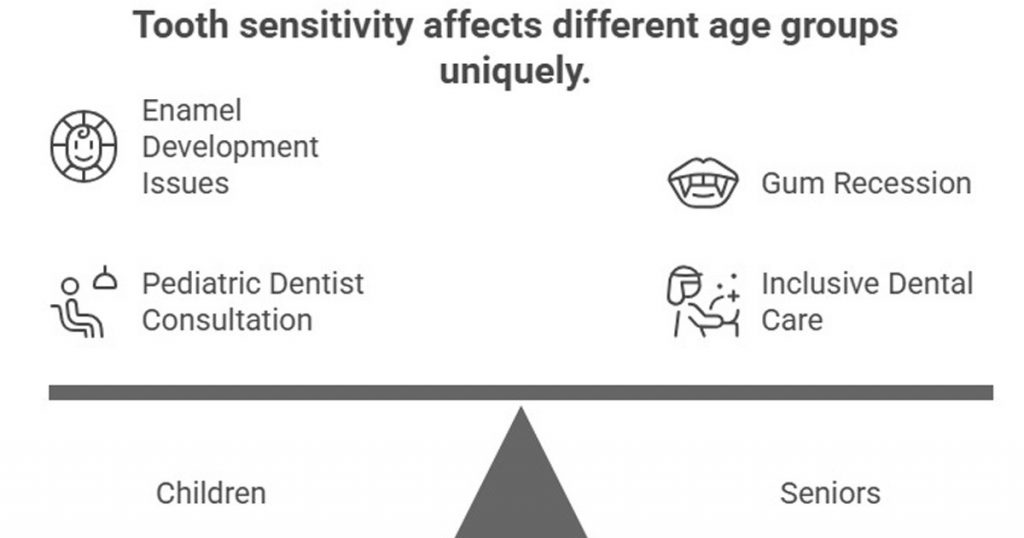
In children: While less common, tooth sensitivity can affect children, often due to enamel development or cavities. It might be helpful to mention that parents should look out for signs and consult a pediatric dentist.
In seniors: Older adults often experience gum recession, leading to higher sensitivity. This could be addressed to make the content more inclusive of different age groups.
Recent Advances in Treating Tooth Sensitivity
Dentistry is evolving continuously, and there have been significant advancements in the treatment of hypersensitive teeth. Here are some of the latest innovations:
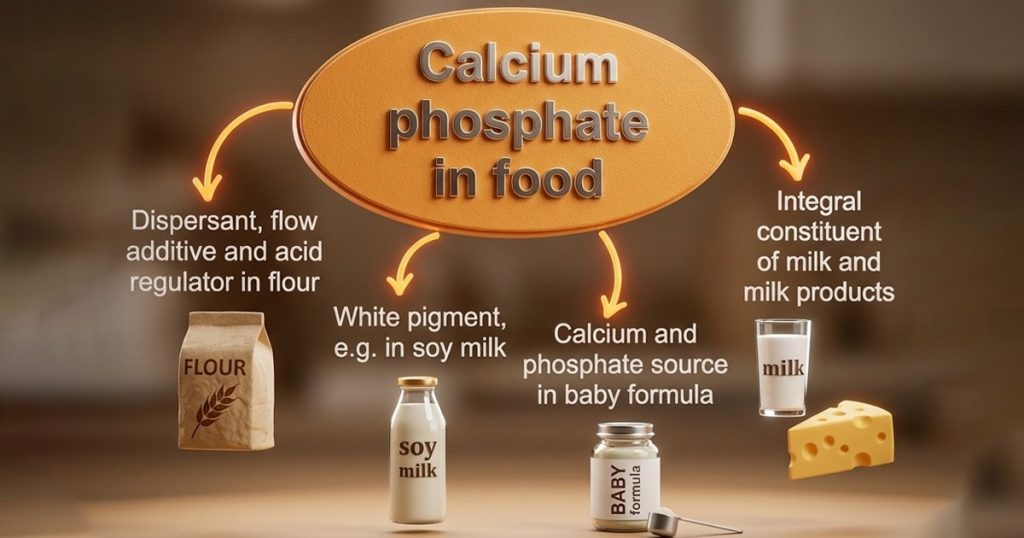
- Calcium Phosphate Technology: This advanced technology helps to remineralize enamel and fill in microscopic holes in the dentin. Some modern toothpastes and treatments use calcium phosphate to rebuild enamel and reduce sensitivity.
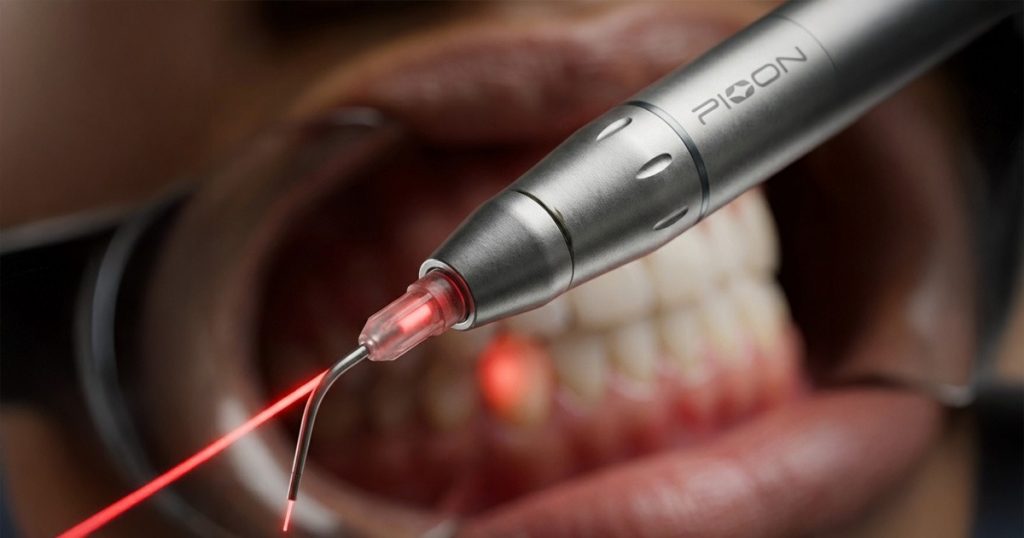
- Laser Treatment: Laser therapy is a new method being used to treat tooth sensitivity. The laser helps seal the tubules in the dentin, which reduces sensitivity by preventing pain signals from reaching the nerves.
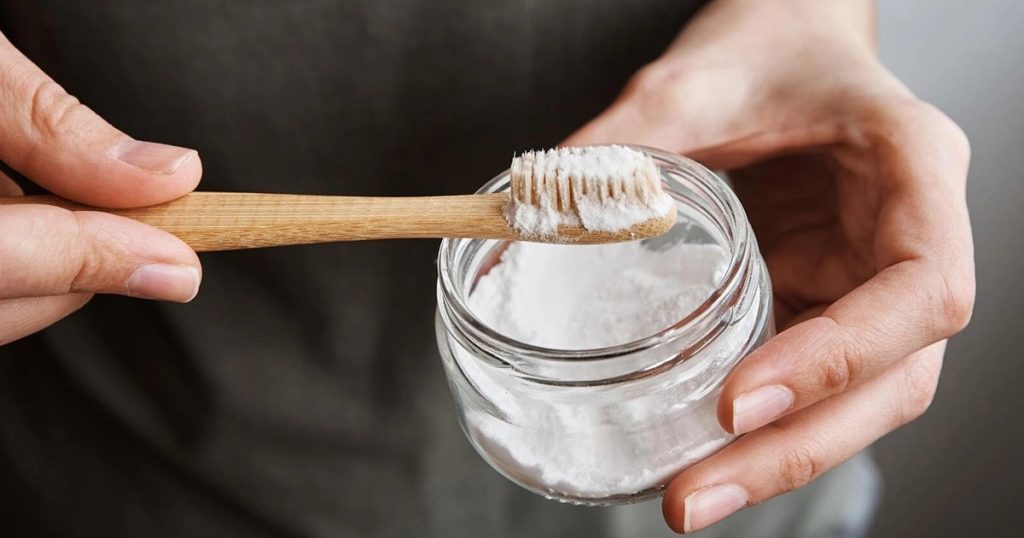
- Sodium Bicarbonate Toothpaste: Some new toothpastes now include sodium bicarbonate (baking soda), which not only helps with plaque removal but also acts as a mild abrasive to clean and remineralize teeth.
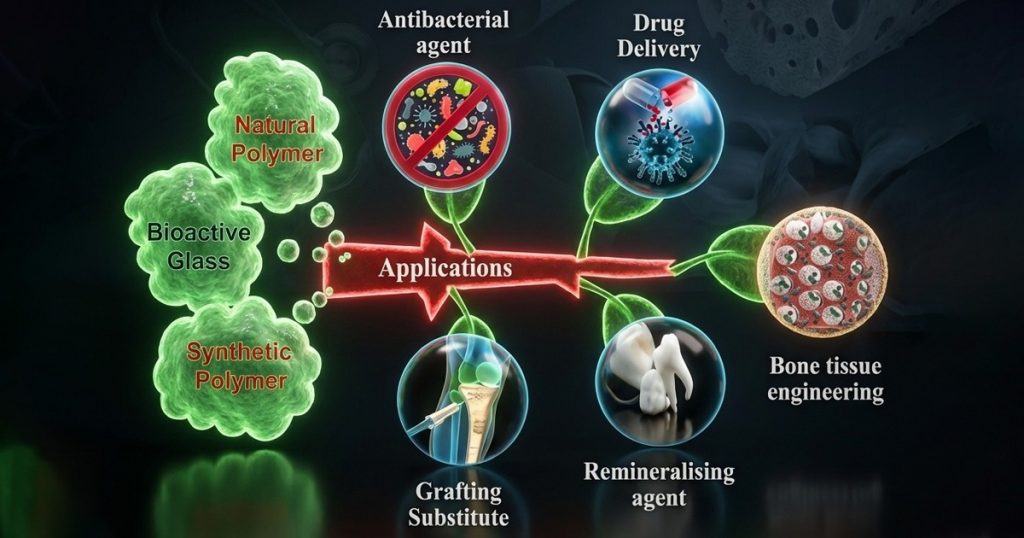
- Bioactive Glass: Bioactive glass is a material being explored in dental care that helps remineralize teeth and protect the enamel. It’s been shown to reduce sensitivity, especially in combination with fluoride treatments.
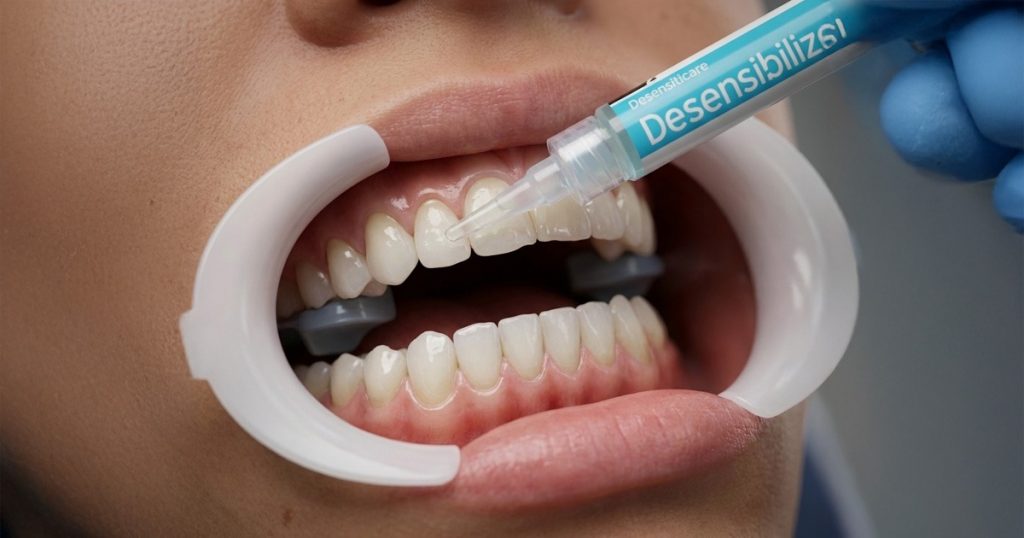
- Desensitizing Gel : In cases of severe sensitivity, some dentists now offer desensitizing gels that are directly applied to the affected teeth. These gels help seal nerve endings and provide long-term relief from pain.
How to Prevent Tooth Sensitivity
Preventing tooth sensitivity involves maintaining good oral hygiene and making smart lifestyle choices:
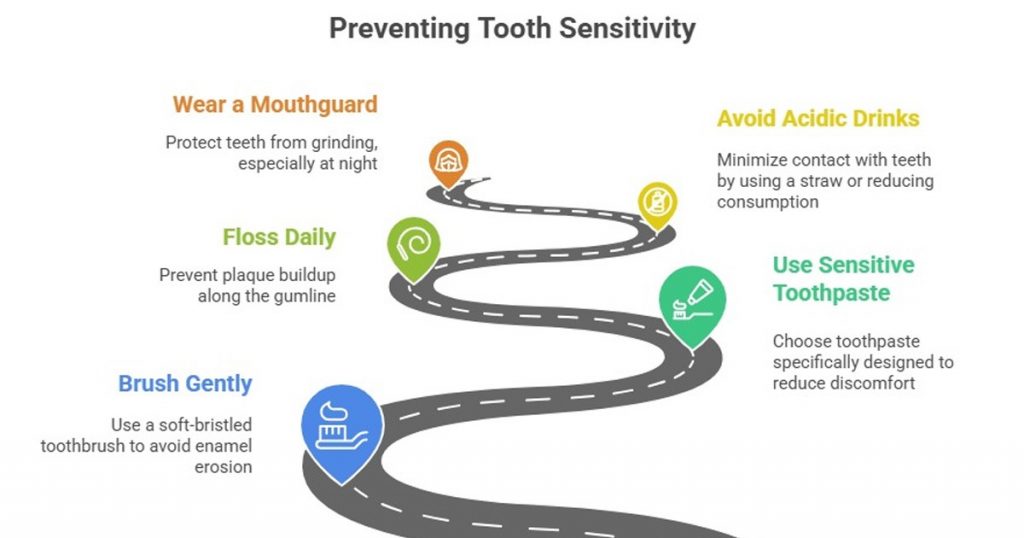
- Brush gently with a soft-bristled toothbrush to avoid eroding your enamel.
- Use toothpaste for sensitive teeth, which helps reduce discomfort.
- Floss daily to prevent plaque buildup along the gumline, which can contribute to gum recession.
- Avoid acidic drinks like soda and citrus juices, or drink them with a straw to minimize contact with your teeth.
- Wear a mouthguard if you grind your teeth, especially at night.
When Sensitivity Is a Sign of Something More Serious
Tooth sensitivity should not always be diagnosed as routine dentin exposure. It can indicate deeper pathology when accompanied by other clinical signs.

- Cracked Tooth Syndrome: Sharp pain on biting or release may indicate an incomplete fracture.
- Deep Caries: Sensitivity that worsens often signals decay approaching the pulp.
- Pulpitis (Reversible/Irreversible): Prolonged sensitivity to cold or heat suggests inflammation beyond simple dentin hypersensitivity.
- Failed or Leaking Restorations: Marginal gaps allow fluid movement and bacterial infiltration.
- Occlusal Trauma: Heavy bite forces or bruxism can cause cervical microfractures that mimic sensitivity.
- Periodontal Disease: Recession exposes root dentin but can also signal attachment loss.
Myths vs. Facts Section:
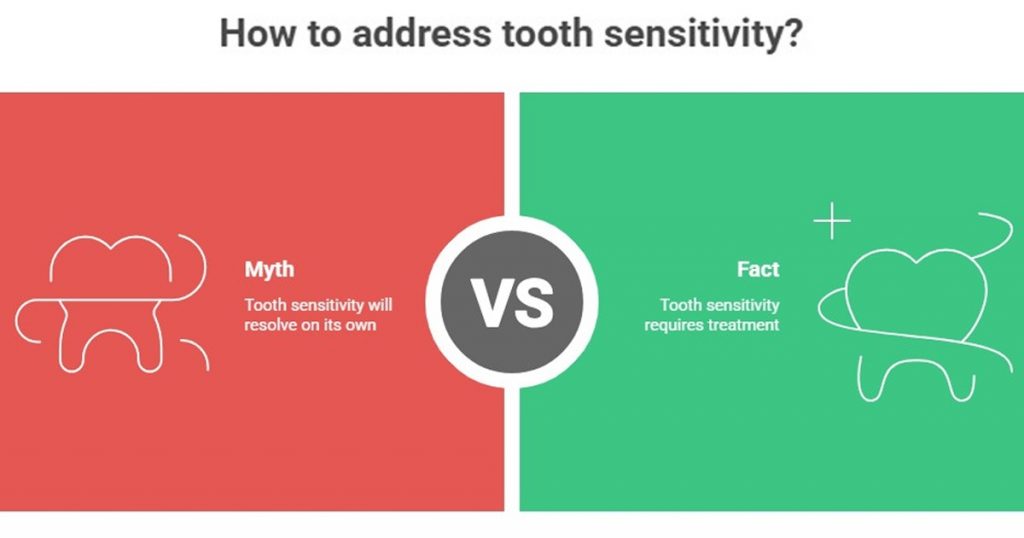
- Myth: The pain from tooth sensitivity will eventually go away on its own.
- Fact: Tooth sensitivity may persist or worsen without treatment, especially if caused by an underlying condition like gum recession or enamel erosion.
Conclusion
Tooth sensitivity doesn’t have to disturb your daily life. With the right treatment plan, you can manage or eliminate the pain associated with sensitive teeth. From desensitizing toothpaste to more advanced procedures like root canals and laser treatment, there are plenty of options to help you feel comfortable again.
If you’re dealing with sensitive teeth, don’t hesitate to visit your dentist. They can help identify the cause and recommend the best treatment to get your smile back to feeling its best.
FAQ’S
Short, sharp pain triggered by cold/air that resolves immediately suggests hypersensitivity.
Lingering pain, nocturnal pain, or spontaneous symptoms indicate pulpal involvement.
A combination of air blast testing, tactile stimulation, and ruling out fractures, caries, and occlusal trauma provides the most accurate diagnosis.
Use in-office varnish, desensitizing agents, and recommend home use of potassium nitrate toothpaste. Sensitivity typically reduces within 1–2 weeks.
Evaluate in 2–4 weeks. If symptoms persist, escalate to resin sealants, laser therapy, or evaluate for deeper pathology.
Yes—hydrogen peroxide increases pulpal fluid flow and transient inflammation. Pre-treatment with potassium nitrate toothpaste and post-whitening fluoride or bioactive varnish reduces symptoms.


No Comment