
Networking Tips for Dental Students: How to Build Mentorship

Just like building your clinical skills, the right professional connection is equally important. For Dental Students, having a good mentor can make all the difference from boosting your clinical confidence to guiding your career choices, helping you find internships, supporting research interests, and shaping your long-term growth.
Whether you’ve just stepped into dental school or you’re getting ready to enter the professional world, starting to network early can give you a real head start. It’s one of those small efforts that pays off big in the future.
Why Networking Matters in Dentistry
- A strong network helps you learn from experienced clinicians.
- Find opportunities such as Workshops, Internships, and Conferences.
- Expose yourself to specialties such as orthodontics, endodontics, or cosmetic dentistry.
- Get professional advice and industry news.
- Build professional confidence and communication skills.
- Good mentors don’t just teach; they shape careers.
Top Networking Tips for Dental Students
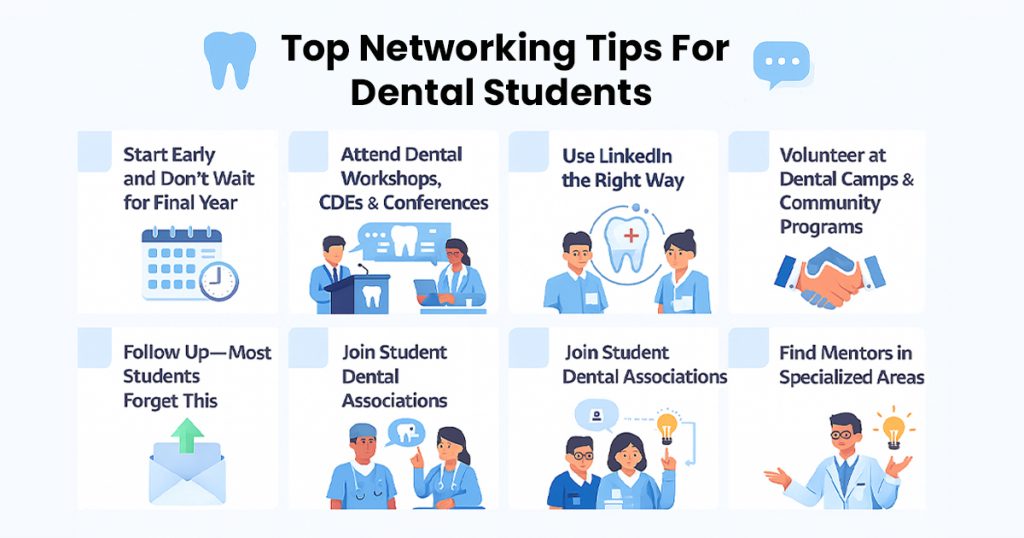
1. Start Early and Don’t Wait for Final Year
- Many students make the mistake of networking only when they need internships or references.
- Begin meeting seniors, professors, and practitioners right from the first year.
Benefits –
- Early career clarity.
- More time for deep mentor relationships.
- Real-life exposure to dentistry.
2. Attend Dental Workshops, CDEs & Conferences
Scientific events are gold mines for networking.
Why Attend?
- You meet leading practitioners
- Learn current dental technologies: CAD/CAM, lasers, and digital dentistry
- Interact with companies that deal in dental instruments, materials, and new clinical aids
Tip: After attending, send a short thank you email or message to speakers you enjoyed.
3. Make connections with professors and graduate students.
- Your college professors are your first mentors.
- Ask questions during the pre-clinical and clinical sessions
- Request guidance on research or case presentations
- Seek honest feedback about your work.
- The PG students are also very approachable and great for day-to-day clinical mentoring.
4. Use LinkedIn the Right Way
The most powerful networking tool for dental students today is LinkedIn.
Do This:
- Create a clean, professional profile.
- Post your clinical progress, case learnings, or conference experiences
- Network with dentists from India and abroad
- Join groups about dentistry and engage in discussions
Don’t Do:
- Spam people with messages.
- Send connection requests without a short introduction.
5. Volunteer at Dental Camps & Community Programs
These events help you to meet dentists who are passionate about public health and patient care.
You Gain:
- Practical experience
- Actual patient interaction
- New mentors who value initiative
6. Build Relationships, Not Transactions
- Networking is not “What can you give me?” It is, “How can we learn or grow together?
- Be authentic.
- Ask for advice, not favors.
- Show interest in their journey.
- Share your goals honestly.
- Long-term mentorship grows from meaningful conversations.
7. Follow Up-Most Students Forget This
- After a meeting at a conference or clinic, send a brief follow-up message and thank them.
- Mention one thing you learned.
- Express interest in staying in touch.
- This simple step consolidates the relationship.
8. Join Student Dental Associations
- Many professional bodies welcome Student Membership.
- IDA Student Wing.
- IADR / AADR.
- Student research groups.
- Specialty clubs: Endo, Ortho, Pediatric Dentistry, Implantology.
- These organizations host seminars, competitions, and mentorship programs.
9. Find Mentors in Specialized Areas
If you have a particular specialization in mind:
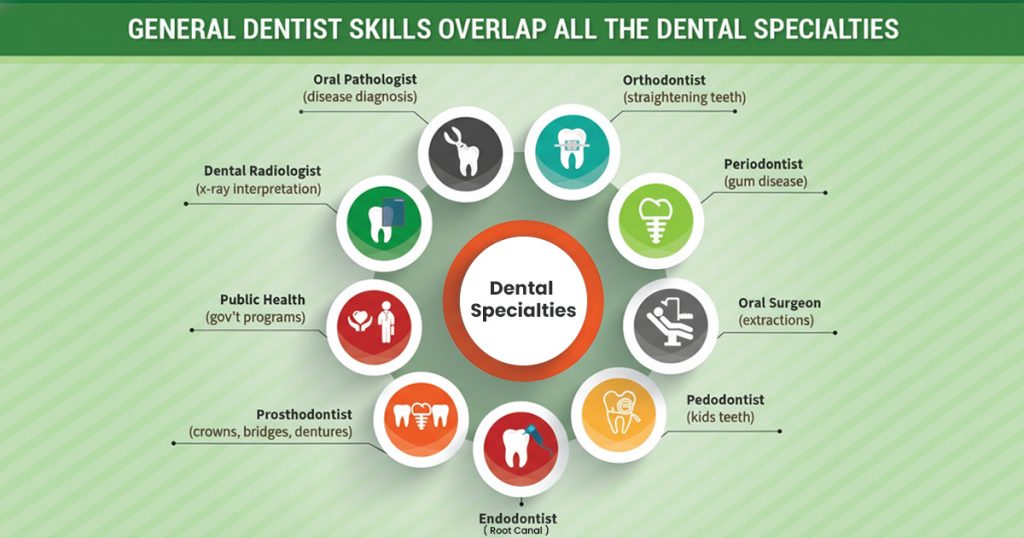
- Orthodontics: connect with cephalometric experts, aligner specialists.
- Endodontics: find mentors who post case studies or use advanced rotary systems.
- Prosthodontics: follow digital dentistry & crown preparation mentors.
- Periodontics: look for clinicians sharing nonsurgical and surgical cases.
- Pedodontics: Follow latest technologies, conscious sedation practices
- Oral Pathology: Research practices
- Public Health: awareness and camp practices
- Radiology: Better diagnosis and equipment for diagnosis
The mentors of your dream specialization will be able to guide you further along your long-term path.
10. Offer Value in Return
- Even as a student, you can contribute.
- Help with research papers.
- Assist with social media content.
- Volunteer during workshops.
- Share new trends or articles. This shows enthusiasm and builds mutual respect.
How to Choose the Right Mentor
A good mentor should be:
- Approachable and patient
- Experienced in your area of interest
- Willing to guide consistently
- Able to give constructive criticism
- Ethical and encouraging
If a mentor does not align with your values, it’s okay to take a step back and find another.
Signs of a Strong Mentor – Student Relationship
- Gives honest, practical feedback
- Helps you grow clinically.
- Encourages learning and curiosity
- Builds long-term skills
- Shares real-life experiences
- Prepares you for practice
- Supports your academic/career choices
- Builds confidence
- Available when needed
- Provides emotional and academic guidance
Common Networking Mistakes Students Should Avoid
- Being too shy to initiate conversations
- Asking for favors immediately
- Not keeping in touch
- Ignoring opportunities outside college
- Overthinking or comparing themselves to others
- Remember: networking is a skill that improves with practice
Conclusion
Networking isn’t just a professional activity; it’s a career-building habit. For dental students, forming meaningful mentorship relationships can shape everything from clinical confidence to long-term career success.
By attending events, staying active on platforms like LinkedIn, learning from professors, and genuinely connecting with experienced dentists, you build a support system that guides you through every stage of your journey.
Frequently Asked Questions (FAQs)
Start as early as possible, ideally in your first or second year.
Introduce yourself simply, ask sincere questions, and be respectful. Dentists like enthusiastic students.
These include LinkedIn, dental conferences, workshops, IDA meetings, and academic events.
Yes, you can have multiple mentors: one for academics, one for clinical skills, and one for career guidance.
Keep in regular touch, share your progress, ask for feedback, and show your appreciation.



No Comment