
Dental Ethics & Legal Guide: Consent, Records, and Patient Safety
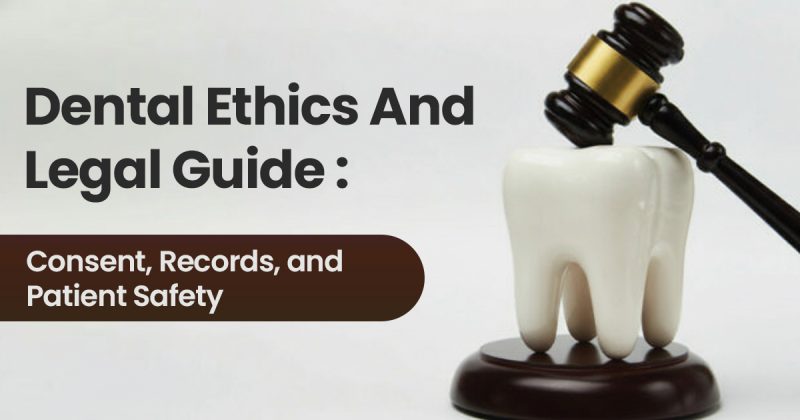
Dental practice involves much more than technical expertise. It involves trust, accountability, and responsibility. Every day, dentists place patients in situations that have a significant impact on patient health, patient comfort, patient finances, and patient long-term prospects. It is at this stage that dental ethics and dental law come into consideration.
The important issues that need to be learned or remembered when it comes to consent, record-keeping, and patient safety include first are consent, record-keeping, and patient safety themselves, as all three form a foundation regarding how dentists should practice their profession.
The Role of Ethics and Legal Awareness in Dentistry
Dentists operate in an environment with stringent health care regulations. Ethical misconduct or legal irregularities in this setting lead to :-
- Patient Dissatisfaction.
- Complaints or lawsuits.
- Loss of professional reputation
- Disciplinary actions by Dental Councils
On the other hand, ethics and the law are involved in the building of:
- Patient trust-building
- Social norms and reputation
- Safe and transparent clinical practice
Informed Consent: It’s More Than a Signature
What is Informed Consent?

Informed consent implies the patient is informed about:
- What is the treatment that is now being conducted.
- It is needed because of Existing alternatives.
- Risks vs. Benefits.
- Costs involved.
Consequences of Refusing treatment
Consent is “not just a form but a process.” Various Forms/Aspects of Consent in Dentistry Kind of Consent Explanation Implied Consent Routine examinations, X-rays, basic inspection-
- Verbal consent Simple procedures like scaling.
- Informed Consent Surgical, invasive, cosmetic, or expensive procedures.
Written consent is required for:
- Tooth Extractions- Mobile, Firm, Impacted, Surgical
- Implantology procedures.
- Root Canal Treatment and Crowns
- Local anesthesia and Any kind of Surgical operations
- Cosmetic dentistry procedures
- Sedation in pedo patients or medically compromised patients
Best Practices in Obtaining Valid Consent
- Use simple, non-technical language.
- Have time for answering patient questions
- Do not pressure the patient. Give them time to go through the document thoroughly and then sign.
- Describe Risks Honestly – Even If They Are Rare
Document Consent in Records
A signed document without a proper explanation is not a strong one in law.
The Importance of Dental Records
File records have several functions:
- Clinical reference
- Continuity of treatment
- Legal Defense
What Should Dental Records Include?

- Record Type
- Patient information
- Medical History
- Allergy information
- Contact information
- Clinical notes
- Diagnosis
- Findings
- Treatment
- Radiographs X-rays along with their Dates.
- Pictures Pre and post treatment.
- Prescriptions Drug name, dosage
- Billing Records Estimates, Invoices, Receipts
For How Many Years Should Business Records Be Kept?
- Minors: until the patient attains majority + 7 years.
- Medico-legal cases.
- Electronic records are also acceptable but have to remain secure and backed up.
- Patient Safety: Ethical Imperative and Legal Requirement
- Patient safety is not merely a concern about avoidance; it is a concern about prevention.
Key Areas of Patient Safety in Dentistry
A. Infection Control
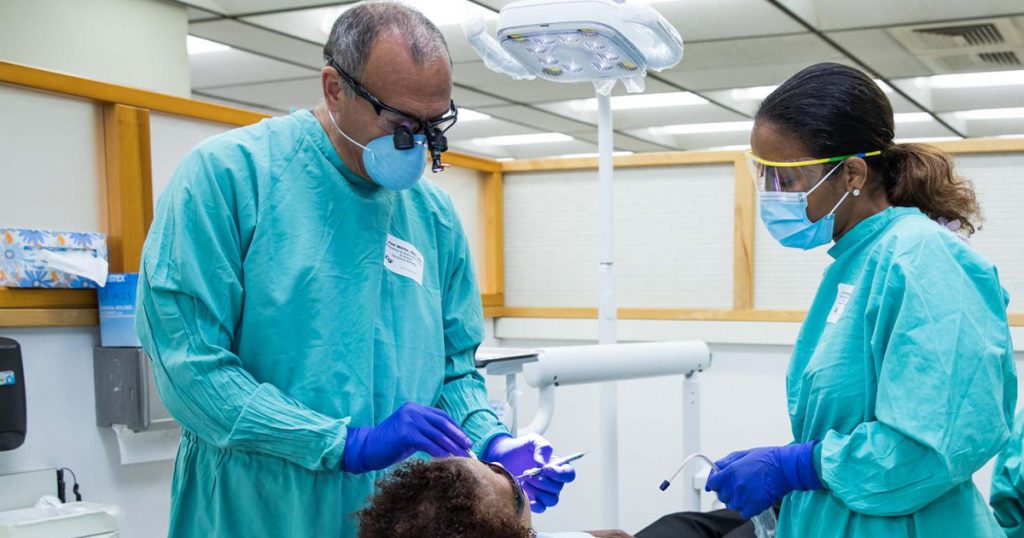
- Proper sterilization of Instruments.
- Use of PPE (Gloves, Masks, Eyewear)
- Clean Operating Protocols
- Biomedical waste segregation
- In this case, failure can have severe legal ramifications.
B. Correct Diagnosis and Treatment Planning
- Avoid over-treatment.
- Take sufficient radiographs.
- See When Beyond Scope.
- Document clinical reasoning.
- From an ethical standpoint, it is wrong to administer unessential treatment.
C. Drug Safety
- Check medical history carefully.
- Avoid contraindicated drugs.
- Prescription of Correct Dosage.
- Discuss potential side effects.
- Medication error claims are the most common type of dental neglect claims.
D. Confidentiality & Patient Privacy

- Patients’ details remain private.
- Do not share patient information without consent.
- Be careful not to talk about cases in a public space.
- Ensure that digital records are password-protected.
- Seek consent before using images for marketing or education purposes.
Lack of confidentiality may cause:
- Legal sanctions.
- Loss of patient trust.
- Professional Misconduct Charge.
E. Ethical Advertising and Communication
Honest communication is necessary in ethical dentistry. Avoid:
- False guarantees (”100% pain-free).
- Exaggerated claims.
- Paid, undeclared promotions.
- Ethical marketing makes lasting impressions, not Momentary Visions. Ethical marketing.
F. Managing Complications Ethically
There are complications, even in optimal care. What the Honest Dentist can do-
- Tell the patient.
- Describe the problem truthfully.
- Provide corrective treatment or referral.
- Everything needs to be documented properly.
⚠️ Trying to conceal errors makes matters even worse.
G. Dentist & Patient Relationship:

Maintain:
- Professional behavior.
- Effective communication
- Cultural sensitivity.
- Clear financial talk.
Final Thoughts
Ethics and law should not be thought of as things to stand in the way of the dentist’s work, ethics and law are what protect the dentist and the patient. The dentist who respects the issue of consent, who maintains adequate records, who adheres to the safety of his
In the long run, ethical dentistry means much more than simply the right thing to do. In the long run, ethical dentistry is simple.
Frequently Asked Questions (FAQs):
No, but it is mandatory for surgical, invasive, cosmetic, and high-risk procedures.
Yes, Consent can be withdrawn at any time either preceding or during treatment.
Yes, if they are secure, complete and retrievable.
Lack of documentation and informed consent.
Indicate: Personable communication, record-keeping, decision-making in terms of being ethical.

No Comment