
Dental Bur Shapes and Their Uses: A Comprehensive Guide for Dentists
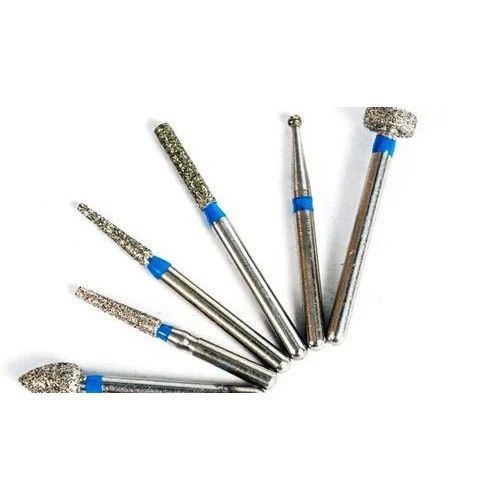
Dental burs are essential tools in restorative, surgical, and preventive dentistry. They come in various shapes and sizes, each designed for specific functions. Understanding the different types of dental burs and their uses is vital for ensuring that dental procedures are carried out efficiently, accurately, and safely. This article explores the most common dental bur shapes, their characteristics, and their applications in dental practice.
Dental burs are essential tools in any dentist’s arsenal, each designed for specific tasks in dental procedures. Understanding the variety of shapes and their respective uses is crucial for effective dental practice.
Table of Contents
ToggleWhat is a Dental Bur?
A dental bur is a small, rotating tool that fits into the handpiece of a dental drill. It typically consists of a metal shaft with a cutting head made of high-speed steel, tungsten carbide, or diamonds. The bur’s cutting action allows dentists to remove decayed tissue, shape teeth, prepare cavities, and carry out other essential procedures. Burs are categorized by their shape, size, and material, with each variation serving a specific purpose in dental treatments.
Dental Bur Shapes and Their Uses
1. Round Bur
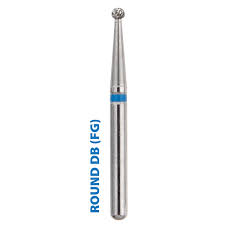
Purpose: Primarily used for cavity preparation, round burs are versatile tools for removing tooth decay, creating access points, and preparing for dental extractions.
Features: Available in a wide range of diameters, round burs are designed to work at various angles and access tight areas.
Applications: Cavity preparation, creating undercuts, and channels for luxator blades in extraction.
2. Pear Shaped Burs
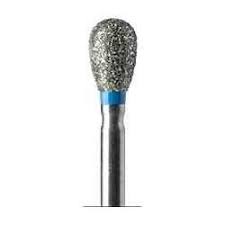
Purpose: Ideal for creating access points and preparing cavities, especially in smaller teeth.
Applications: Used for excavating, trimming, and finishing in dental applications, pear burs are adept at splitting the roots of small teeth. They can also be used for occlusal preparations in crowns.
3. Cylinder Burs
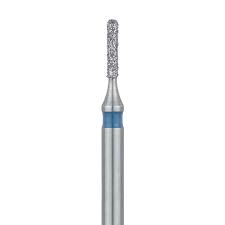
Purpose: Cylinder burs are designed for the removal of amalgam restorations and intra-oral tooth preparation.
Unique Aspect: Their straight sides are effective for removing large material amounts, making them a practical alternative to files.
4. Inverted Cone Bur

Purpose: These burs are excellent for undercutting access openings for root canals and cavity preparation for restorations.
Versatility: Inverted cone burs come in various head lengths and may feature a collar or be double inverted for specific applications.
5. Taper Shape Burs

Purpose: With their triangular shape and tapering sides, these burs are useful for accessing hard-to-reach areas.
Design: Available with flat, rounded, or safe ends, taper burs are suitable for intra-oral tooth preparation and adjustment.
6. Bevel Shape / Flame Shape Burs
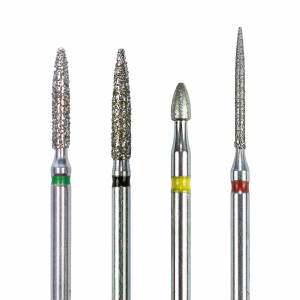
Purpose: These burs are designed for both finishing and cutting applications, available in various diameters and lengths.
Applications: Their design allows for precise work in finishing restorations.
7. Bulk Reduction Burs
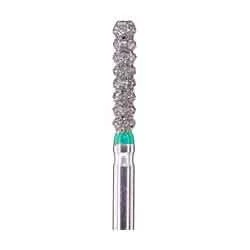
Feature: Coated with natural diamond, these burs are ideal for fast bulk reduction with minimal resistance.
Advantage: Offers a smooth finish and is particularly effective in quick tooth preparation case scenarios.
8. Finishing Burs

Purpose: Used for adding final touches to restorations, these burs are available in different blade counts and materials.
Applications: Suitable for soft tissue re-contouring, enameloplasty, and odontoplasty.
Choosing the right dental bur is pivotal for a successful dental procedure. Dentalkart offers a comprehensive range of high-quality dental burs, catering to diverse dental needs. Our commitment to innovation and excellence ensures that our customers have access to the best tools in the market.
Overview
According to the Journal of Research in Medical and Dental Science, There is a study on ” Dental Burs in Restorative Dentistry and Endodontics- Past and Present: A Review”
Abstract: Dental burs are rotary cutting instrument with cutting heads of various shapes and two or more sharp-edged blades. They are necessary for cutting, grinding, and removing hard and soft tissues and are designed for attaching to the rotary dental handpiece for fast and efficient dental work. Certain design factors are influencing the relative cutting efficiency with the functional life of the dental bur. The clinician’s bur selection will depend on individual preference, the type of procedure, and the bur’s effectiveness in the given clinical situation. They can be used in the restorative procedure, for cavity preparation, crown preparation, and finishing preparation.
In endodontics, for various procedures like access cavity preparation, for the canal and separated instruments location. Because of diamond instruments’ long service life, they have a tremendous clinical impact with greater cutting efficiency in both the enamel and dentin. In recent years, the latest improvements in materials with techniques have been devised. This review of dental burs in dentistry provides an overview of the basic introduction of burs with their modifications in restorative dentistry and endodontics. The article’s overall aim is to provide the reader with a comprehensive knowledge of the tools available to produce optimal integrity in dental restoratives and invasive treatment.
As you continue to explore the complete study, we invite you to delve deeper into the various ‘Types of Burs‘ discussed. We’re here to assist you in establishing a clear comprehension of these bur types and how they relate to the study we shared above.
Conclusion
The variety of dental bur shapes available allows dental professionals to perform a wide range of procedures with precision and efficiency. Whether it’s for cavity preparation, tooth shaping, restorative work, or endodontic procedures, each bur shape serves a unique function. By selecting the appropriate bur for the task, dentists can ensure the best outcomes for their patients, whether they’re restoring a single tooth or performing intricate cosmetic dentistry.
Understanding the functions and specific uses of different dental burs helps practitioners streamline their workflows, reduce procedural time, and ultimately deliver higher-quality care.

No Comment