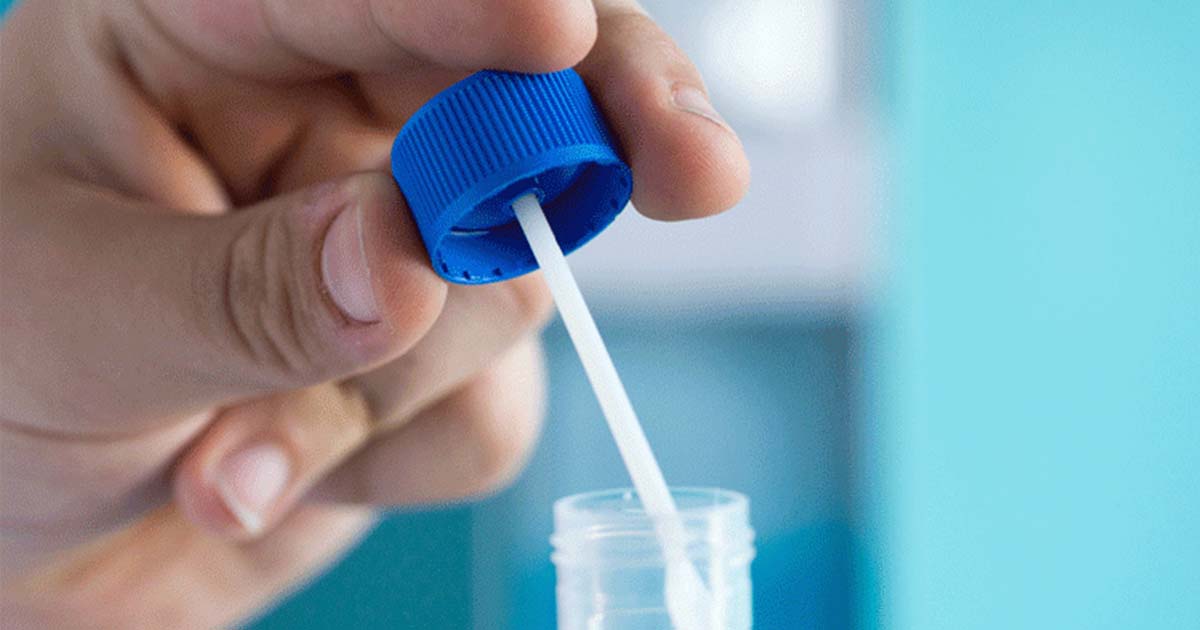
Salivary Diagnostics: The Silent Indicator of Health and Disease
Saliva is more than just spit—it’s a treasure trove of information about our patients’ health. Packed with proteins, enzymes, hormones, and other important markers, saliva can help us detect not only oral problems like cavities and periodontal diseases but also broader health issues.
In this blog, we’ll break down the key components of saliva and show how salivary diagnostics is becoming a simple, non-invasive, and effective method for everyday dental practice. Whether it’s spotting early signs of oral cancer or monitoring treatment risks, saliva offers us a new way to support our patients’ health without the discomfort of needles or blood draws.
Let’s explore how this easy-to-collect fluid can play a big role in improving dental care.
What is Salivary Diagnostics?
Salivary diagnostics is a technique that uses saliva to detect oral and systemic diseases. As a readily accessible, non-invasive biofluid rich in biomarkers, saliva offers a convenient and effective means of identifying and monitoring the presence and progression of various health conditions.
Biocomponents of Saliva
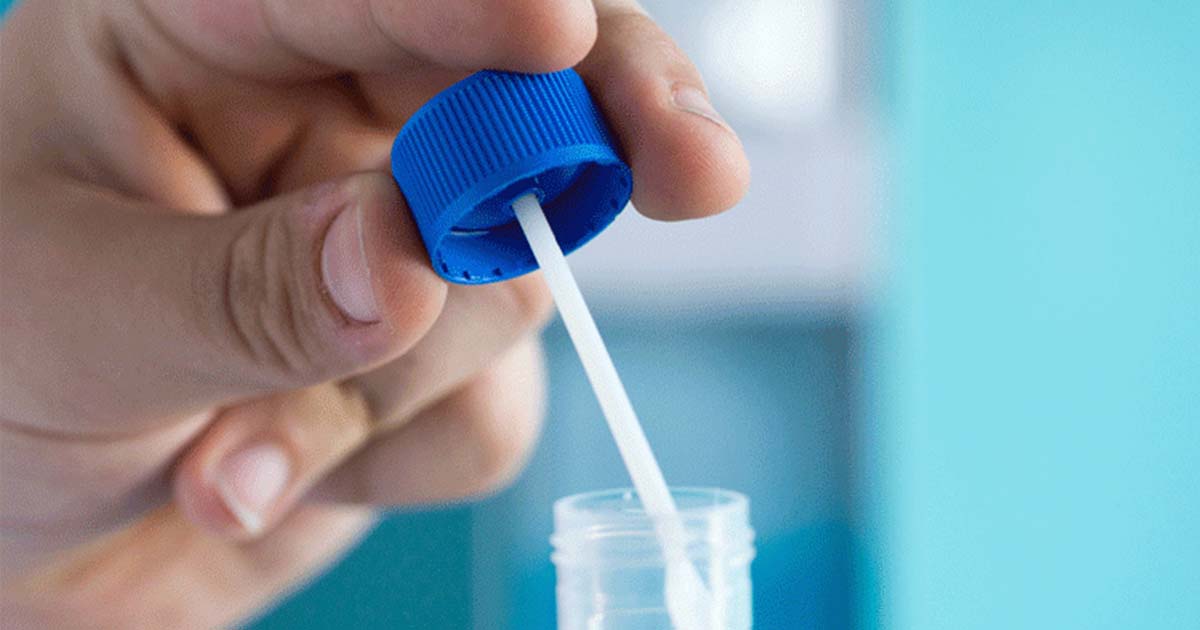
Saliva secreted by the salivary glands in the oral cavity consists of 99% water, with the remaining 1% comprising organic and inorganic components, as well as other biological substances. Saliva is secreted as an intercellular fluid from the salivary glands and, therefore, contains elements found in blood, albeit at lower concentrations. However, even these lower concentrations in saliva can serve as a non-invasive, fast, and convenient method for diagnosing diseases in clinical practice, potentially replacing blood samples. The following are some important biocomponents of saliva that can aid in the detection of various diseases.
| Salivary Component | Biological Component | Related Diseases | Detection Tests |
|---|---|---|---|
| Proteins and Peptides: | |||
| 1. Amylase | Aids digestion, protects the oral mucosa improves the taste of food | Pancreatitis, sialadenitis, child development, malnutrition | Enzyme-linked immunosorbent assay (ELISA), mass spectrometry (MS), polymerase chain reaction (PCR) |
| 2. Glutathione peroxidase | Anti-bacterial, anti-inflammatory, promotes wound healing | Periodontal disease gingivitis, diseases of salivary gland function, digestive system diseases |
ELISA, MS, western blotting (WB), chromatography, biosensors, flow cytometry |
| 3. Lipase | Promote fat digestion, improve food taste, participate in immune response | Dry mouth, gastroesophageal reflux disease, diabetes mellitus | ELISA, colloidal gold method, liquid chromatography-tandem mass spectrometry (LC-MS), spectrometry |
| 4. MMP8 and MMP9 | Remodel oral tissue, inflammatory response, as a diagnostic marker for oral and systemic diseases | Oral cancer, rheumatoid arthritis, sjögren's syndrome, Oral squamous cell carcinoma, oral potentially malignant disorders | ELISA, MS, WB, polymerase chain reaction (PCR) immunofluorescence (IF) staining |
| 5. Proline-rich proteins | Antimicrobial action, mineral deposition, and dental plaque formation improve food taste | Dental caries, periodontal disease, oral cancer | ELISA, LC-MS, nuclear magnetic resonance spectroscopy (NMR), real-time polymerase chain reaction (RT-PCR), 2D gel electrophoresis (2-DE) |
| Hormones: | |||
| 1. Cortisol | Evaluate the individual's stress response and circadian rhythm, reflect oral health | Hypoadrenalism, Cushing's syndrome, Addison's disease, polycystic ovary syndrome, depression, anxiety | ELISA, LC-MS |
| 2. Estradiol | Reflect the endocrine status of the individual, reflects the psychological and behavioral effects | Depression, sexual dysfunction, abnormal growth hormone secretion |
ELISA, LC-MS |
| 3. Melatonin | Circadian rhythm regulation, antioxidants, maintain oral health | Sleep disorders, depression, anxiety, seasonal affective disorder, Alzheimer's disease, Parkinson's disease | ELISA, radioimmunoassay (RIA), LC-MS |
| 4. Insulin | Monitor an individual's insulin levels to affect oral health | Diabetes mellitus, obesity, metabolic syndrome, polycystic ovary syndrome | ELISA, RIA, LC-MS |
| Metabolites | |||
| 1. Lactic acid | Evaluate the individual's exercise intensity and fatigue levels | Oral cancer, diabetes mellitus, respiratory diseases | ELISA, HPLC, MS, nuclear magnetic resonance (NMR), biosensors |
| 2. Glucose | Monitor the body's metabolism and digestion, and monitor the blood glucose level | Diabetes mellitus, obesity | High-performance liquid chromatography (HPLC), near-infrared spectroscopy (NIRS), Biosensors |
| Others: | |||
| 1. Extracellular vesicles | Transduce signal, early diagnosis, and monitor disease | Oral cancer, diabetes mellitus, HIV, HPV | Flow cytometry (FC), WB, MS, quantitative Real-time polymerase chain reaction(qRT-PCR) |
| 2. Ca2+ | Enamel mineralization, anti-caries effect, maintain electrolyte balance, influence saliva viscosity | Periodontal disease, xerostomia | Atomic absorption spectrometry (AAS), ion selective electrode (ISE), inductively coupled plasma mass spectrometry (ICP-MS) |
| 3. HCO3- | Prevents acid damage, maintains mouth pH, and facilitates digestion | Dental caries, periodontal disease, reflux esophagitis, sjogren syndrome, metabolic acidosis | Ion-selective electrode (ISE), pH meter |
| 4. K+ | Maintain ion balance inside and outside cells, protect teeth and oral tissues, participate in nerve signaling | Dehydration, sialadenitis, renal dysfunction, endocrine disorders | ISE, AAS, atomic emission spectrometry (AES), near-infrared spectroscopy (NIRS), biosensors |
| 5. Na+ | Maintain electrolyte balance, promote taste delivery, and have antibacterial effects | Dehydration, xerostomia, renal dysfunction, endocrine disorders | ISE, ICP-MS, ion chromatography (IC) |
Other than the components mentioned above, there are additional biomarkers, as well as inorganic and organic substances, that can further aid in the detection of diseases.
Additionally, the tests discussed—and many others—have extensive procedures, which are beyond the scope of this blog to cover in detail.
We will now move on to some dental applications and how salivary diagnostics support dentistry in the next section.
Salivary Diagnostics for Oral Diseases
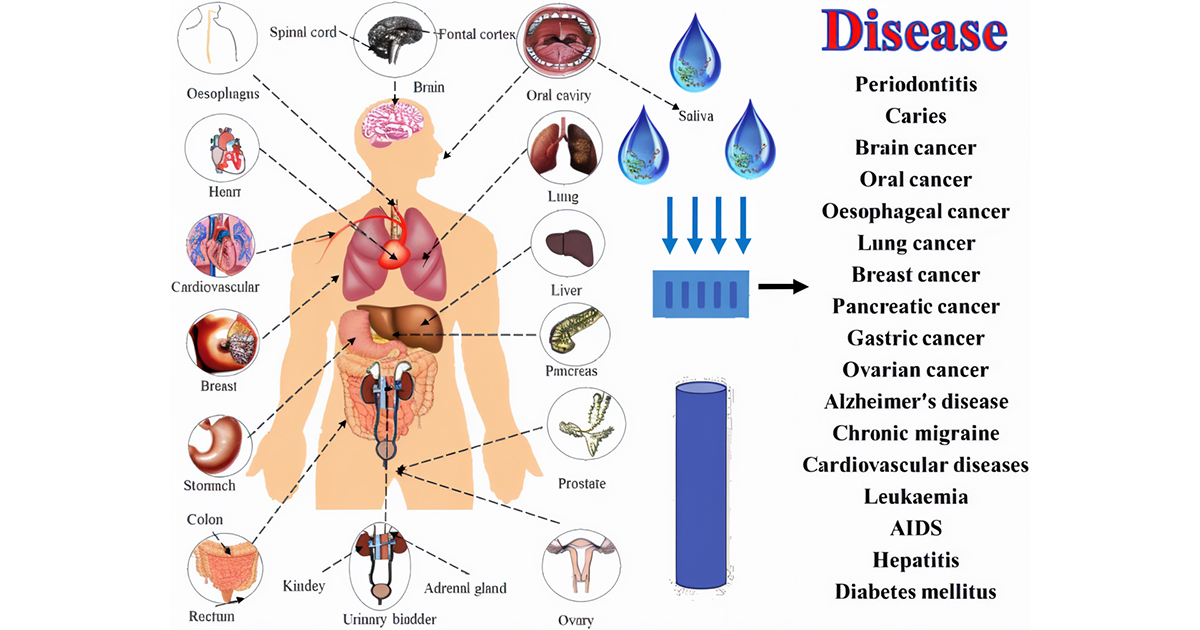
A number of oral and systemic diseases can be detected through saliva. Below, we will primarily focus on common oral diseases that can be diagnosed using salivary analysis.
1.Oral Cancer:
Extensive research has identified about 100 biomarkers for Oral Squamous Cell Carcinoma (OSCC), as reported in the literature through various technologies. Three tumor markers—Cyfra 21-1, tissue polypeptide antigen (TPA), and cancer antigen CA-125—are significantly elevated in the saliva of patients diagnosed with OSCC.
Additionally, higher levels of MMP-2, MMP-9, and TNF-α have been observed in oral cancer patients compared to control subjects.
Furthermore, recent reviews examining the potential of human salivary microRNAs, cell-free nucleic acids, mRNA, cytokines, and peptide markers suggest that while these biomarkers show promise for cancer diagnosis, progression prediction, or assessing susceptibility to mucositis following radiotherapy, the current data are preliminary and require further clinical validation.
2. Periodontal Disease
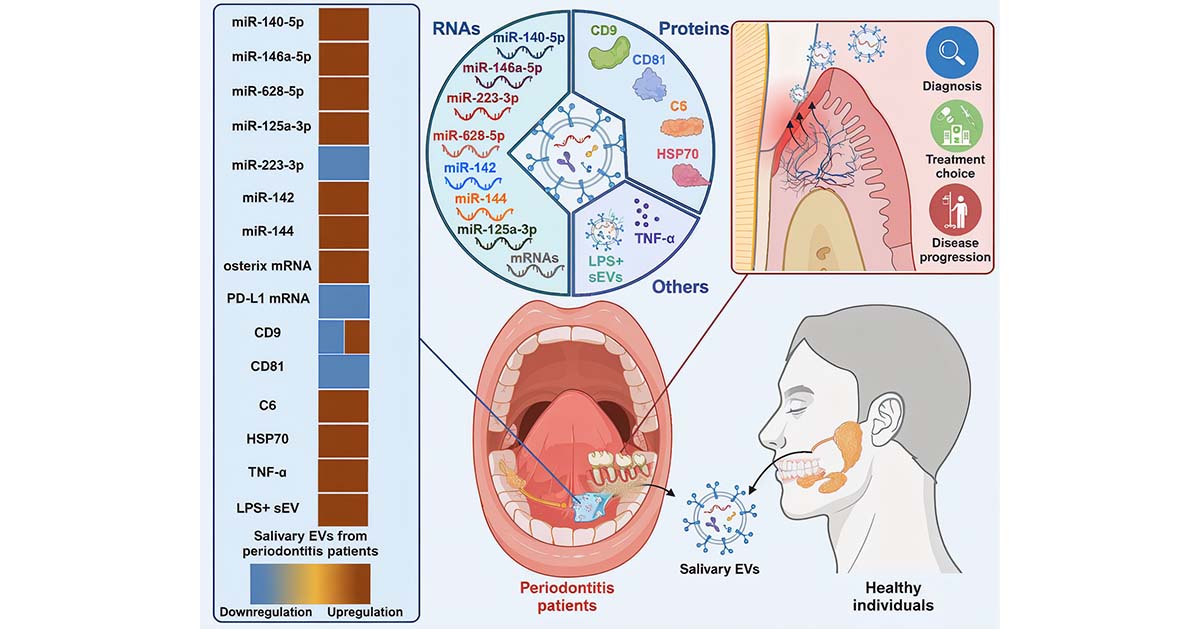
Saliva can be useful in the prediction and diagnosis of periodontal diseases. Salivary biomarkers for these conditions include proteins of host origin (such as enzymes and immunoglobulins), phenotypic markers, host cells, hormones, bacteria and bacterial products, ions, and volatile compounds.
Some common periodontal pathogens include Porphyromonas gingivalis, Treponema denticola, and Tannerella forsythensis. Host responses and inflammatory mediators involved in periodontal disease include IL-1β, IL-6, IL-8, TNF-α, elastase, and aspartate. Bone-specific markers of tissue destruction and connective tissue breakdown include collagen telopeptides, MMP-9, osteocalcin, proteoglycans, and fibronectin.
A number of research review articles have concluded that although salivary IL-1β and TNF-α are associated with early stages of periodontal disease and increase with disease progression, they are currently considered promising biomarkers for early diagnosis, pending further validation.
Furthermore, several systematic reviews have shown associations between both salivary and gingival crevicular fluid IL-8 concentrations and chronic periodontitis. Another systematic review on MMP-8 reported significantly higher levels of salivary MMP-8 in patients with periodontal disease but concluded that further high-quality studies are still needed to verify this conclusion.
3. Caries Risk Assessment:
Salivary diagnostics for caries risk assessment involve evaluating the presence of caries-associated pathogens in saliva, such as Streptococcus mutans (S. mutans), Streptococcus sobrinus (S. sobrinus), and lactobacilli. Low levels of alpha-defensins contribute to caries susceptibility in children, while salivary mucins aid in the agglutination of streptococci.
Furthermore, caries risk can be assessed by analyzing host-related factors such as salivary pH, salivary flow rate, and buffering capacity. In addition to these, a number of culture-based methods are used, including mitis salivarius bacitracin broth (MSBB), dip-slide methods, genomic fingerprinting, 16S rRNA gene cloning and sequencing, and PCR-based bacterial identification.
Read Also: Anticaries Agents & Dentifrices: Essential Dental Products for Preventative Care
4. Orthodontics:
One major application of salivary diagnostics in orthodontics is the assessment of the risk and progression of root resorption during treatment. Several studies have reported changes in saliva among patients undergoing orthodontic therapy, including alterations in interleukin-1β and its receptor antagonist, proteoglycans, the regulatory subunit type II (RII) of cyclic AMP-dependent protein kinase (PKA), and anti-HDE sIgA antibodies.
The results of salivary analysis can provide valuable evidence to support clinical decision-making, helping to minimize the risk and severity of root resorption.
5. Oral Lichen Planus
Some systematic reviews have evaluated the salivary and serum levels of IL-6 and TNF-α in relation to oral lichen planus. These studies found that TNF-α levels were higher in saliva than in serum among patients with oral lichen planus, suggesting that salivary markers may be more useful than serum measurements for diagnosis and treatment monitoring.
Additionally, significant differences in both serum and salivary IL-6 levels were observed between patients with the disease and healthy controls. However, the authors cautioned that confounding factors such as age, stress, smoking, and genetics should be taken into account when interpreting these results.
Major Advantages of Salivary Diagnostics:
- Non-Invasive Method of Collection:
Saliva collection is non-invasive and does not cause discomfort to the patient, unlike blood sampling which may involve needle pricking or provoke anxiety. Saliva can be easily collected in the presence of a healthcare provider without causing distress. - Better Stability and Transportation:
Saliva can be collected even in areas with limited medical access and transported without the complications associated with blood samples, such as preventing red blood cell lysis. While a few precautions need to be followed during collection, the process does not require extensive preparation or special steps from the patient. - Affordability:
Due to its ease of handling and minimal processing requirements, saliva sampling is cost-effective for both sample collectors and laboratories, making it a practical option in various healthcare settings. - Near-Accurate Detection of Oral and Systemic Diseases:
Saliva is a complex biofluid rich in diverse biomarkers. With the advancement of new technologies and diagnostic tests, it has become increasingly useful for the accurate and early detection of both oral and systemic diseases.
Conclusion:
Salivary diagnostics is transforming the way we approach oral health—offering a simple, non-invasive, and powerful method to detect and monitor a wide range of diseases. From early detection of oral cancer to managing periodontal health and caries risk, saliva provides valuable insights that can enhance our clinical decisions and improve patient outcomes.
As dental professionals, staying updated on such advancements is key to delivering the best care. That’s where Dentalkart steps in—not only as a trusted source for high-quality dental equipment but also as a partner committed to supporting dentists with the latest knowledge and innovations in dental science.
Together, let’s embrace these new frontiers to elevate dental practice and patient care.
FAQ's for Salivary Diagnostics:
Salivary diagnostics uses saliva to detect oral and systemic diseases by analyzing proteins, enzymes, hormones, and other markers.
Oral cancer, periodontal disease, dental caries, oral lichen planus, diabetes, and more.
It’s non-invasive, easy to collect, affordable, stable for transport, and provides accurate disease detection.
By detecting caries-causing bacteria and measuring salivary pH, flow rate, and buffering capacity.
Dr. Vandana Tanwar
Author
Related Articles

Self-Etch vs. Selective-Etch vs Total-Etch: A Clinical Decision Guide for Everyday Restorations
IntroductionIn restorative dentistry, bonding success does not depend only on the composite resin or adhesive brand. More often than not, long-term success or f

Tissue-Level vs Bone-Level Implants: Clinical Selection Guide
In modern implantology, the debate isn't about which system is "better," but rather which design is most compatible with the patient’s specific anatomy. Implan
Paediatric Pulp Therapy: Guidelines & Best Materials (Pulpotomy / Pulpectomy)
Introduction to Pediatric Pulp Therapy In children, caries reaches the pulp fast because primary teeth have thinner enamel, dentin and larger pulp chambers.