Laser Dentistry: Benefits, Applications, and Types
Dr. Noopur Aggarwal
September 23, 2024
6 min read
Laser Dentistry: Benefits, Applications, and Types - Numerous researchers have investigated the applications of Laser in dentistry in the past five decades. Research and development has led to a multitude of lasers in both type and means of delivery systems. With a better understanding of biological tissue responses, the possibilities of a clinician using lasers have increased providing both the patient comfort and convenience.
 Oral examination
The process begins with a thorough examination of your mouth. The Dentist will address your chief complaint and discuss treatment options and acknowledge any questions or concerns you may have.
Preparation
Before treatment, your Dentist will ensure you are comfortable and relaxed . Depending on the procedure,you may receive a topical anesthetic before receiving the local anesthesia.
The Procedure
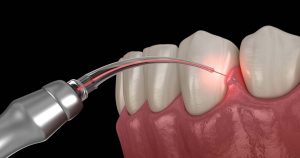
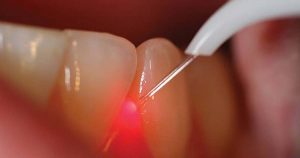
During the procedure, your dentist will use the laser for treatment. You might hear a slight buzzing sound, but overall, the experience is generally more comfortable than traditional methods. Your dentist will monitor your comfort throughout.
Post-Procedure Care
After the treatment, your dentist will provide specific instructions. Many patients report minimal discomfort and quicker recovery compared to traditional methods, allowing for a rapid return to daily activities owing to the benefits of Laser.
Frequently Asked Questions (FAQ)
Is Laser Dentistry Safe?
Yes, laser dentistry is safe as it is performed by trained professionals. The technology has been extensively researched over the years and is used globally for a number of procedures.
Is Laser dentistry painful?
Most patients experience little to no pain during Laser procedures. The precision of lasers minimizes trauma to surrounding tissues, and many treatments can be conducted without anesthesia.Because of this benefit of Lasers it has been widely accepted and is getting incorporated in dental practices all over the world.
How Much Does It Cost?
Costs for laser dentistry can vary depending on the type of treatment and laser used and also your location. While some treatments may be slightly more expensive than traditional methods, the advantages of minimal pain and rapid recovery with no bleeding often justify the investment.Hence patients should look over the benefits it offers rather than looking at the cost of the treatment.
The Future of Laser Dentistry
The future for lasers in endodontics is promising with the rapid development of thinner and more flexible fiberoptic delivery systems and with an improvement in our knowledge of optimal laser parameters. Although numerous studies have proved the efficacy of lasers in endodontic applications, acceptance of this technology by every patient is limited which could be attributed to the high cost of treatment.
Oral examination
The process begins with a thorough examination of your mouth. The Dentist will address your chief complaint and discuss treatment options and acknowledge any questions or concerns you may have.
Preparation
Before treatment, your Dentist will ensure you are comfortable and relaxed . Depending on the procedure,you may receive a topical anesthetic before receiving the local anesthesia.
The Procedure
During the procedure, your dentist will use the laser for treatment. You might hear a slight buzzing sound, but overall, the experience is generally more comfortable than traditional methods. Your dentist will monitor your comfort throughout.
Post-Procedure Care
After the treatment, your dentist will provide specific instructions. Many patients report minimal discomfort and quicker recovery compared to traditional methods, allowing for a rapid return to daily activities owing to the benefits of Laser.
Frequently Asked Questions (FAQ)
Is Laser Dentistry Safe?
Yes, laser dentistry is safe as it is performed by trained professionals. The technology has been extensively researched over the years and is used globally for a number of procedures.
Is Laser dentistry painful?
Most patients experience little to no pain during Laser procedures. The precision of lasers minimizes trauma to surrounding tissues, and many treatments can be conducted without anesthesia.Because of this benefit of Lasers it has been widely accepted and is getting incorporated in dental practices all over the world.
How Much Does It Cost?
Costs for laser dentistry can vary depending on the type of treatment and laser used and also your location. While some treatments may be slightly more expensive than traditional methods, the advantages of minimal pain and rapid recovery with no bleeding often justify the investment.Hence patients should look over the benefits it offers rather than looking at the cost of the treatment.
The Future of Laser Dentistry
The future for lasers in endodontics is promising with the rapid development of thinner and more flexible fiberoptic delivery systems and with an improvement in our knowledge of optimal laser parameters. Although numerous studies have proved the efficacy of lasers in endodontic applications, acceptance of this technology by every patient is limited which could be attributed to the high cost of treatment.
What is Laser Dentistry?
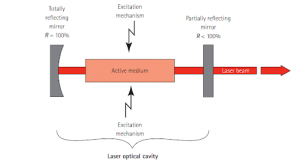
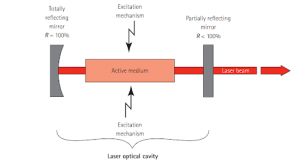
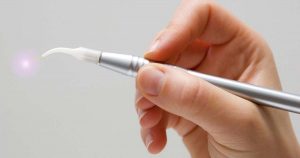
Laser Dentistry is the branch of dentistry that uses Lasers to treat several dental problems. Several variants of dental lasers are in use with different wavelengths which are suited for different applications. LASER is an acronym for light amplification by the stimulated emission of radiation. There are two types of delivery systems that are used in dental lasers:- Hollow tube delivery system
- Glass fiber optic delivery system
Benefits of Laser Dentistry
Painless
One of the key advantages of laser dentistry is the ability to significantly reduce pain. Many people avoid going to the dentist due to fear of discomfort. Traditional procedures usually require local anesthesia and often leave patients sore. In contrast, lasers only target the affected areas, preserving healthy tissues. As a result, many procedures can be performed with minimal or no anesthesia, enhancing the overall patient experience. Rapid Recovery Laser dentistry also promotes rapid recovery. Traditional treatments can lead to swelling, bleeding, and longer healing periods. Lasers, on the other hand, cauterize blood vessels during operation, leading to less post-operative pain and allowing patients to resume their normal activities much sooner. Reduced Risk of Infection Lasers have a sterilizing effect that can kill bacteria at the treatment site, significantly lowering the risk of infection. This feature is especially beneficial for patients with compromised immune systems or those prone to infections, making laser dentistry a safer choice for many. No Bleeding Lasers have an advantage of causing minimal to no bleeding hence the operative site is clear for the dentist to operate on and causes minimal trauma to the patient leading to rapid recovery with no complications . Read Also: Future of Dentistry: Top 10 Trends at DentalKartUses of Laser
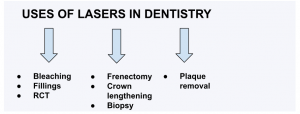
- Teeth Whitening-Laser allows for precise treatment, reducing the effect on surrounding tissues and post-treatment sensitivity. Patients often experience results in a single session with minimal discomfort, leading to a brighter smile and increased satisfaction.
- Cavity preparation and Fillings- Lasers offer a modern approach to fillings by providing minimal cavity removal while preserving more of the natural tooth structure. They minimize discomfort and reduce the need for local anesthesia, making the process more relaxing for patients.
- Root canal Treatment- Lasers are used in disinfection of the root canals
- In Gum Surgery- Lasers minimize the risk of infection and preserve surrounding healthy tissue by accurately cutting off the diseased gum tissue.
- Crown Lengthening Surgery-Laser crown lengthening enhances aesthetics and function with improved outcomes and patient satisfaction. Procedure does not cause any bleeding.
- Apical Surgery-Lasers provide a precise and minimally invasive technique for treating tooth root related issues.
- Pulp Capping and Pulpotomy-CO2 and Nd:YAG lasers on irradiated pulp found no damage in tissues underlying the laser-ablated tissues. There was the presence of secondary dentin as well which proves the usefulness of Lasers.
- Biopsy-The controlled application of lasers offers precise removal of the target tissue and reduces the risk of infection and promotes faster healing.
- Plaque Removal-Lasers effectively breaks down plaque and tartar, leading to a thorough clean. It reduces bleeding and discomfort compared to traditional tools, promoting quicker healing. Overall, laser plaque removal enhances oral hygiene and patient comfort during dental cleaning and polishing.
What are the different types of Lasers used in Dentistry?
|
Name |
Wavelength |
Application |
|
Diode Laser |
810-980 | Soft Tissue Surgery, Teeth Whitening |
|
ND:YAG Laser |
1064 |
Periodontal Treatment |
|
ER:YAG Laser |
2940 |
Hard Tissue Procedures,Cavity Preparation |
| CO2 Laser | 10,600 |
Soft Tissue Surgery, Biopsies |
What should you expect during a Laser Dental Procedure?
Oral examination
The process begins with a thorough examination of your mouth. The Dentist will address your chief complaint and discuss treatment options and acknowledge any questions or concerns you may have.
Preparation
Before treatment, your Dentist will ensure you are comfortable and relaxed . Depending on the procedure,you may receive a topical anesthetic before receiving the local anesthesia.
The Procedure
During the procedure, your dentist will use the laser for treatment. You might hear a slight buzzing sound, but overall, the experience is generally more comfortable than traditional methods. Your dentist will monitor your comfort throughout.
Post-Procedure Care
After the treatment, your dentist will provide specific instructions. Many patients report minimal discomfort and quicker recovery compared to traditional methods, allowing for a rapid return to daily activities owing to the benefits of Laser.
Frequently Asked Questions (FAQ)
Is Laser Dentistry Safe?
Yes, laser dentistry is safe as it is performed by trained professionals. The technology has been extensively researched over the years and is used globally for a number of procedures.
Is Laser dentistry painful?
Most patients experience little to no pain during Laser procedures. The precision of lasers minimizes trauma to surrounding tissues, and many treatments can be conducted without anesthesia.Because of this benefit of Lasers it has been widely accepted and is getting incorporated in dental practices all over the world.
How Much Does It Cost?
Costs for laser dentistry can vary depending on the type of treatment and laser used and also your location. While some treatments may be slightly more expensive than traditional methods, the advantages of minimal pain and rapid recovery with no bleeding often justify the investment.Hence patients should look over the benefits it offers rather than looking at the cost of the treatment.
The Future of Laser Dentistry
The future for lasers in endodontics is promising with the rapid development of thinner and more flexible fiberoptic delivery systems and with an improvement in our knowledge of optimal laser parameters. Although numerous studies have proved the efficacy of lasers in endodontic applications, acceptance of this technology by every patient is limited which could be attributed to the high cost of treatment.
Conclusion
As a dentist, I am passionate about integrating this technology to enhance the patient experience and improve treatment outcomes. If fear or anxiety has held you back from going to the dentist , I encourage you to understand the benefits of laser dentistry. Together, we can pave the way for good oral health.D
Dr. Noopur Aggarwal
Author
Related Articles

Self-Etch vs. Selective-Etch vs Total-Etch: A Clinical Decision Guide for Everyday Restorations
IntroductionIn restorative dentistry, bonding success does not depend only on the composite resin or adhesive brand. More often than not, long-term success or f
Dr. Bhavishya Arora
January 31, 2026
4 min read
Tissue-Level vs Bone-Level Implants: Clinical Selection Guide
In modern implantology, the debate isn't about which system is "better," but rather which design is most compatible with the patient’s specific anatomy. Implan
Dr. Yashasvi Sharma
January 23, 2026
3 min read
Paediatric Pulp Therapy: Guidelines & Best Materials (Pulpotomy / Pulpectomy)
Introduction to Pediatric Pulp Therapy In children, caries reaches the pulp fast because primary teeth have thinner enamel, dentin and larger pulp chambers.
Dr. Bhavishya Arora
January 20, 2026
7 min read