Chairside CAD/CAM Workflows for Same-Day Restorations
Chairside CAD/CAM systems have reshaped restorative dentistry by combining digital scanning, computer-aided design, and in-office fabrication into one continuous workflow. Same-day crowns and indirect restorations produced through these systems reduce clinical time, eliminate temporaries, and improve overall predictability. Modern CAD/CAM workflows offer a higher degree of control over restorative quality, accuracy, and material performance than traditional multi-step methods.
What Exactly is Chairside CAD/CAM Dentistry?
Chairside CAD/CAM dentistry refers to an integrated digital process where the clinician completes diagnosis, digital impression, design, milling, finishing, and cementation at the same appointment. The workflow is designed for single-unit restorations such as posterior crowns, anterior veneers, inlays, onlays, and select implant crowns.
This digital approach eliminates manual impression variables and allows the dentist to evaluate margins, occlusion, and internal fit before the restoration is even milled. The result is a streamlined, highly controlled restorative process that enhances both efficiency and clinical precision.
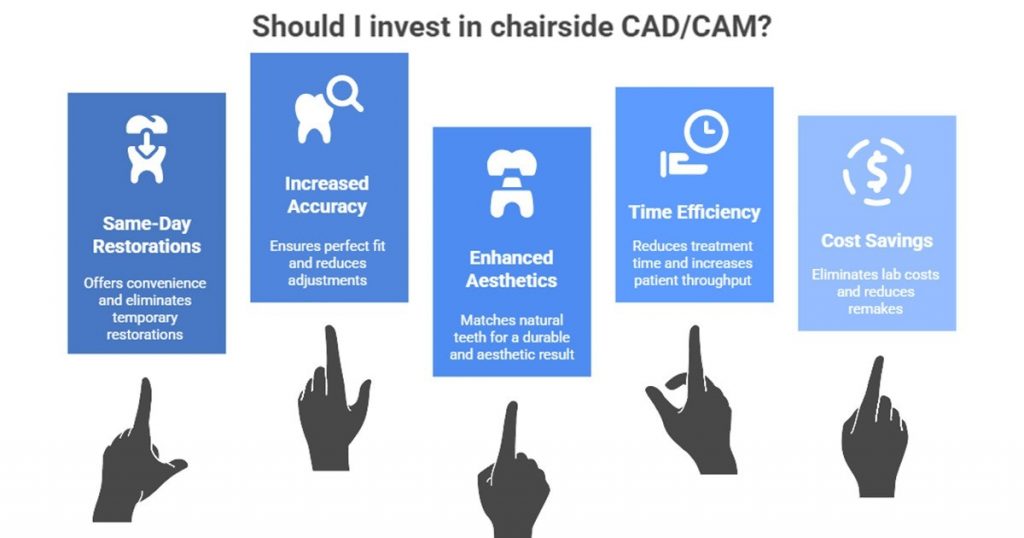
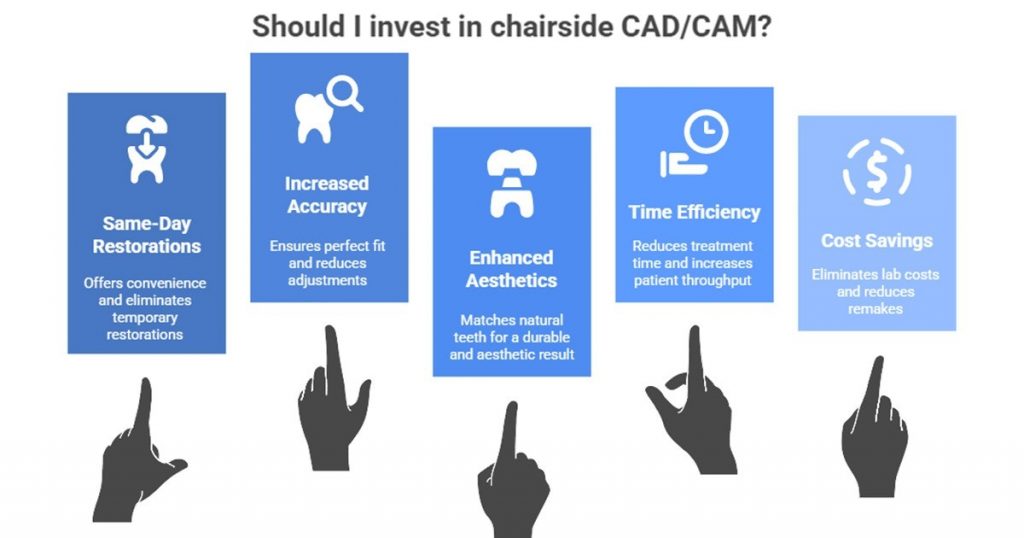
Key Benefits of Chairside CAD-CAM
Complete Chairside CAD/CAM Workflow
1. Case Selection and Treatment Planning
Single-unit posterior crowns, anterior esthetic veneers, inlays, onlays, and minor implant restorations are well-suited for chairside CAD/CAM.
Considerations include enamel availability, occlusal load, parafunctional habits, gingival health, and finish line visibility.
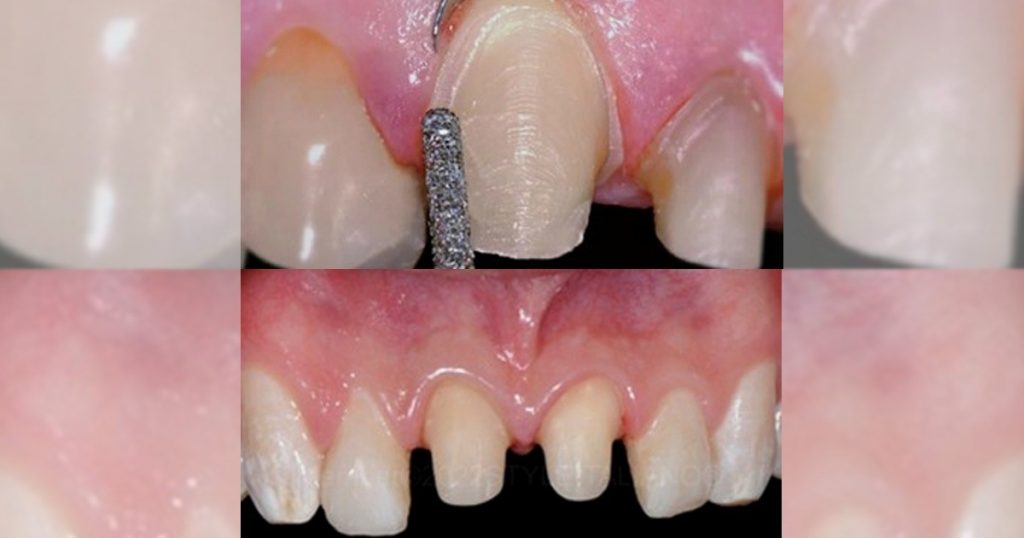
2. Tooth Preparation
Digital workflows require controlled preparation geometry:
- Rounded internal line angles
- Smooth axial walls to assist milling accuracy
- Adequate occlusal reduction (1.0–1.5 mm depending on material)
- Supragingival or equigingival margins whenever possible
These features support accuracy and help avoid chipping during milling.
3. Intraoral Scanning
Accurate scanning depends on proper tissue management, moisture control, and stable retraction.
Current scanners offer:
- Real-time margin identification
- Reduction analysis
- AI-supported removal of artifacts
- Bite alignment verification for occlusal design
These tools help reduce discrepancies in inter-arch relationships.
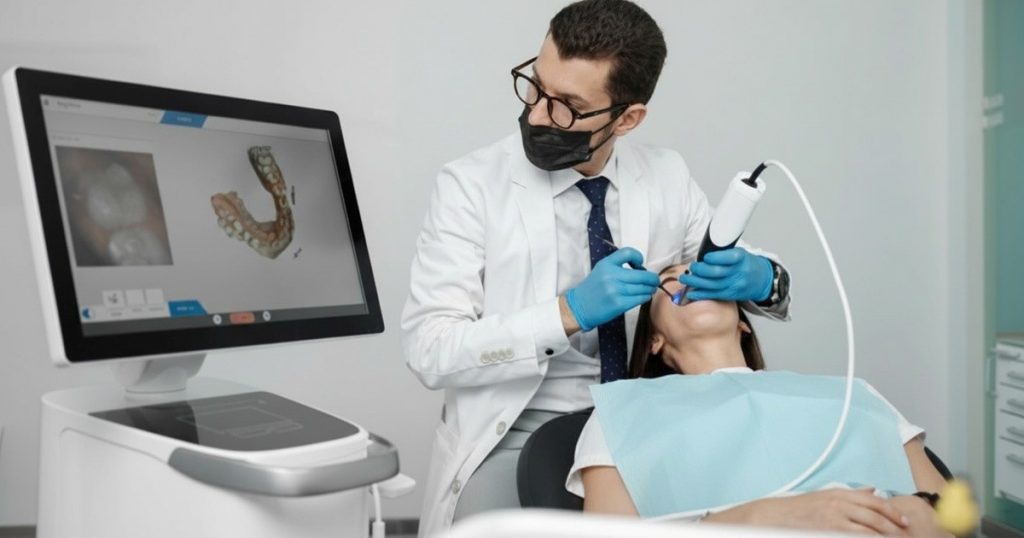
Product- Waldent BLZ IntraVue 900 Ai Intraoral Scanner
4. Digital Design
CAD software creates anatomical proposals using libraries shaped around natural tooth morphology.
Adjustments focus on:
- Marginal integrity
- Contact area width and height
- Functional cusp guidance
- Emergence profiles
- Occlusal load distribution
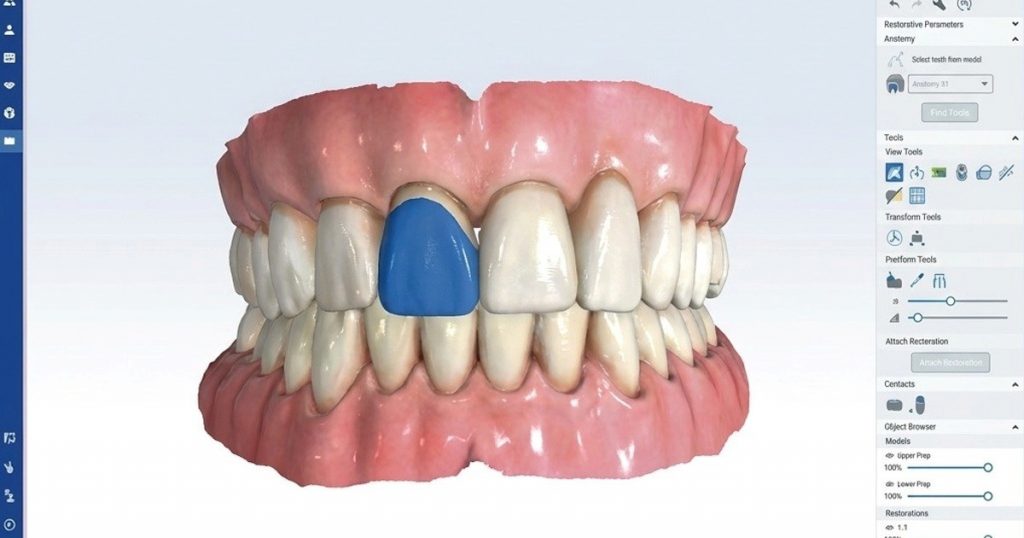
Digital design allows clinicians to visualize and refine the restoration with a higher degree of control than conventional waxing.
5. Fabrication Phase
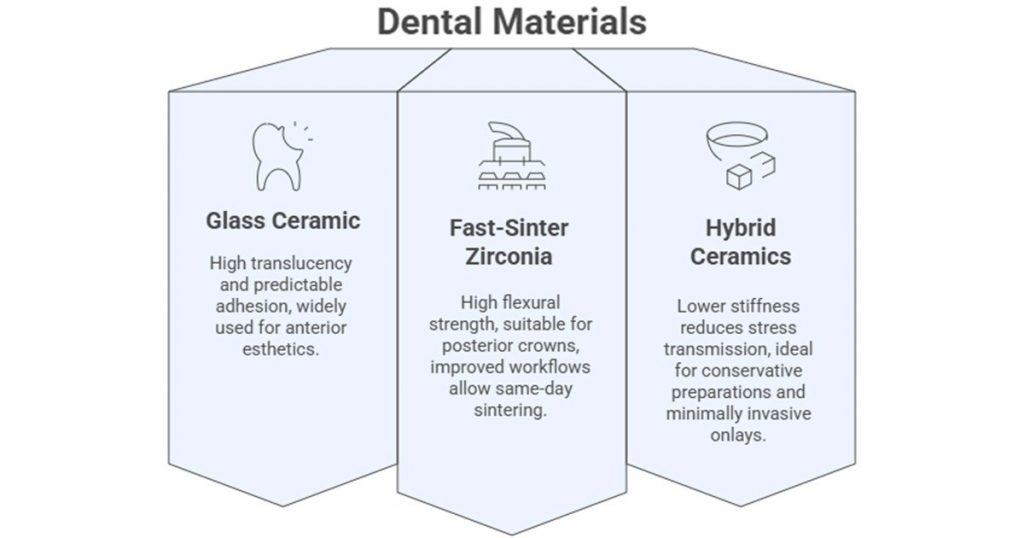
Chairside milling units can produce restorations from:
- Lithium disilicate
- Hybrid ceramic blocks
- High-strength zirconia (fast-sinter systems)
- PMMA for provisional use
Lithium disilicate offers excellent esthetics and requires crystallization firing.
Zirconia blocks designed for rapid sintering enable same-day posterior crowns with substantial strength.
Bur selection, milling strategy, and machine calibration directly influence internal fit and surface texture.
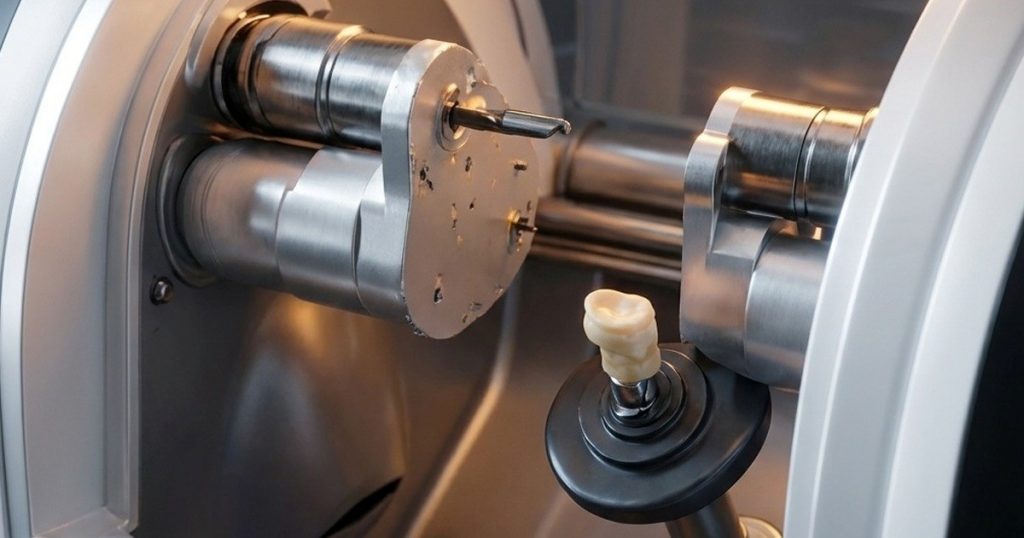
Products- Dentitude Glass Ceramic Press Ingots LT A3, Dentitude Glass Ceramic CAD-CAM Blocks ( Pack of 5 ), Labodent Zirconia Milling Burs DLC (Nexy Type)
6. Characterization and Surface Conditioning
Depending on material:
- Lithium disilicate is etched with hydrofluoric acid and silanated
- Zirconia surfaces require airborne abrasion and MDP-containing primers
- Hybrid ceramics use specific primers for optimal bonding
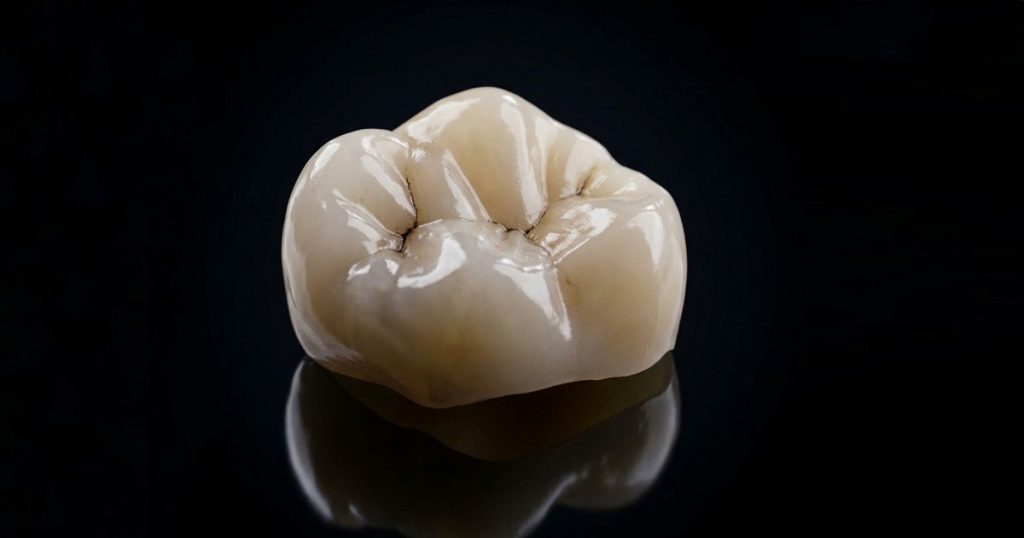
Characterization with stains and glazing improves esthetics and surface gloss retention.
7. Try-In and Cementation
Minimal internal adjustments are expected due to digital precision.
Cementation protocols vary:
- Adhesive resin cements for lithium disilicate
- Self-adhesive resin or RMGIC for zirconia depending on preparation retention
Final occlusal refinement ensures functional accuracy.
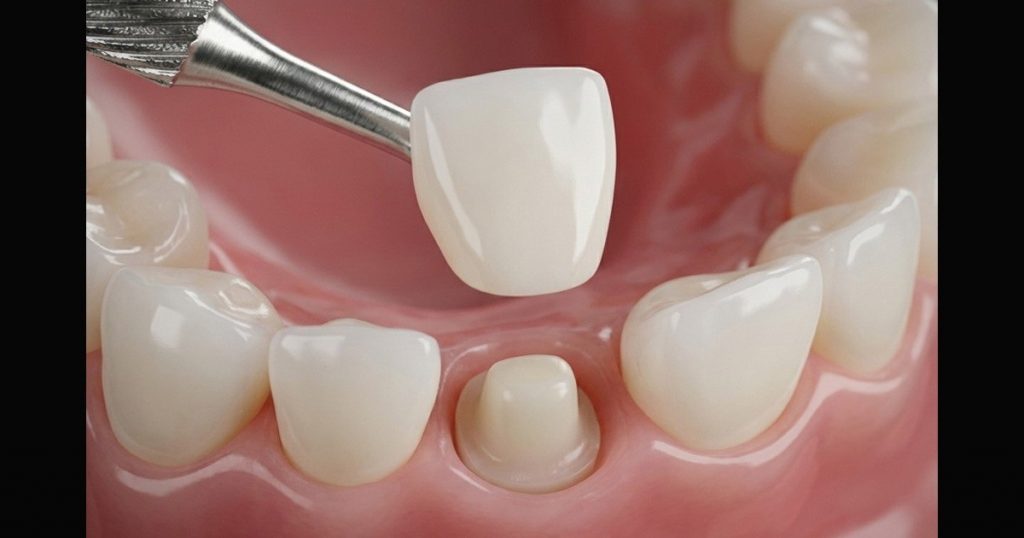
Cements that can be used- Dentsply Calibra Universal Self Adhesive Resin Cement, Ammdent URC Dual Cure Resin Cement
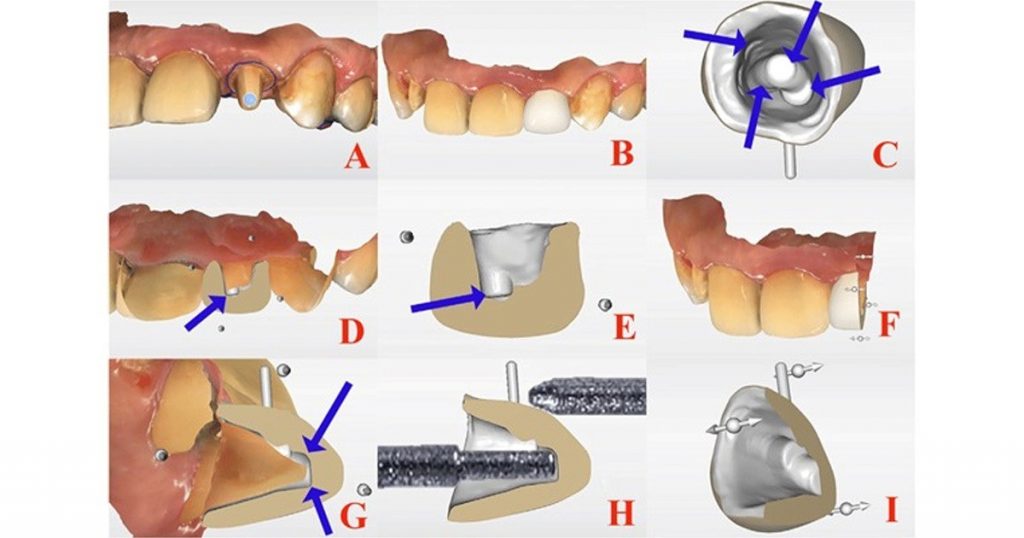
Digital workflow of the CAD/CAM crown. (A) Digital impression of the prepared tooth. (B) Digital design of proposed restoration. (C) Swirl marks on the internal surface indicating overmilling. (D, E, F, G, H, and I) Cross-sectional views of the prepared tooth, proposed restoration and overmilled areas.
Chairside CAD/CAM Compared with Laboratory Workflows
| Aspect | Chairside CAD/CAM | Laboratory CAD/CAM |
|---|---|---|
| Turnaround Time | Completed in a single appointment | Typically 3–10 days depending on case complexity |
| Workflow Control | Entire process controlled chairside by the clinician | Design and fabrication outsourced to a technician |
| Occlusal Adjustability | Immediate adjustments possible before cementation | Adjustments made after lab delivery, may require remakes |
| Data Accuracy Risks | Minimal risk due to a closed-loop digital workflow | Multiple impression/communication steps increase potential distortions |
| Operator Skill Dependency | Outcome heavily depends on clinician’s digital design skills | Skilled technician handles design and characterization |
| Equipment Investment | Requires significant initial purchase of scanner, mill, and furnace | No hardware investment; costs are per-unit via lab fees |
| Indications | Efficient for single restorations and urgent cases | Preferable for full-mouth rehabilitation, removable prosthetics, and esthetic-demanding anterior work |
| Patient Experience | One-visit completion, no temporaries | Multiple appointments, temporaries required |
Material Considerations
Material selection plays a substantial role in long-term success and must be guided by occlusal demands and esthetic requirements.
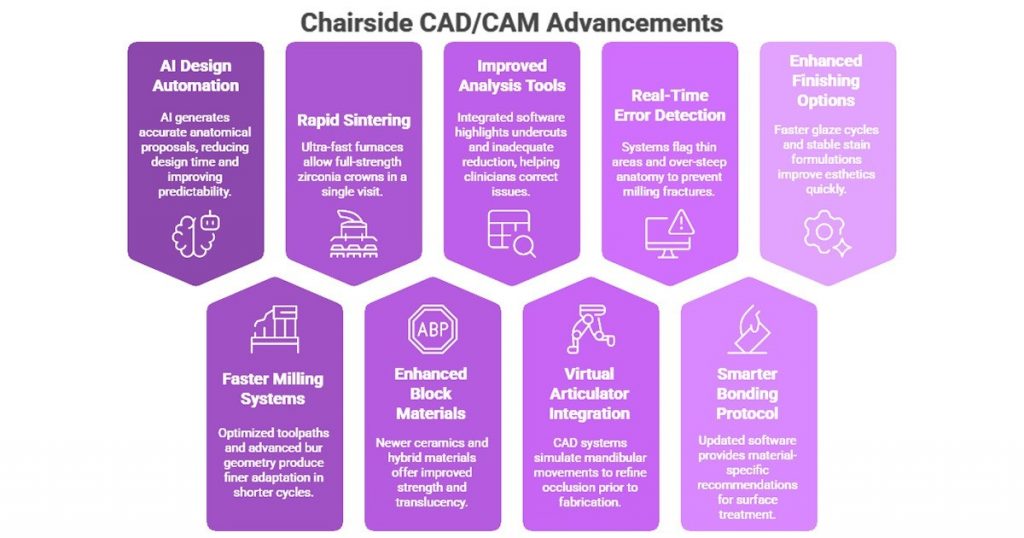
Recent Advancements in Chairside CAD/CAM for Same-Day Restorations
Conclusion
Chairside CAD/CAM workflows offer a complete, digitally controlled environment for producing same-day restorations with excellent precision, efficiency, and patient acceptance. The integration of high-definition scanning, intelligent design software, and advanced ceramic materials allows clinicians to deliver restorations that meet functional and esthetic demands with minimal procedural complexity.
As technology continues to evolve, chairside CAD/CAM will further strengthen its role in restorative dentistry, offering clinicians reliable tools for efficient and high-quality patient care.
FAQ's
Chairside CAD/CAM systems can create crowns, bridges, inlays, onlays, and veneers.
The accuracy is extremely high due to digital impressions and precise milling, ensuring a perfect fit.
Yes, the initial investment is significant, but the efficiency and time savings can make it a worthwhile investment for many practices
Dr. Yashasvi Sharma
Author
Related Articles

Self-Etch vs. Selective-Etch vs Total-Etch: A Clinical Decision Guide for Everyday Restorations
IntroductionIn restorative dentistry, bonding success does not depend only on the composite resin or adhesive brand. More often than not, long-term success or f

Tissue-Level vs Bone-Level Implants: Clinical Selection Guide
In modern implantology, the debate isn't about which system is "better," but rather which design is most compatible with the patient’s specific anatomy. Implan
Paediatric Pulp Therapy: Guidelines & Best Materials (Pulpotomy / Pulpectomy)
Introduction to Pediatric Pulp Therapy In children, caries reaches the pulp fast because primary teeth have thinner enamel, dentin and larger pulp chambers.