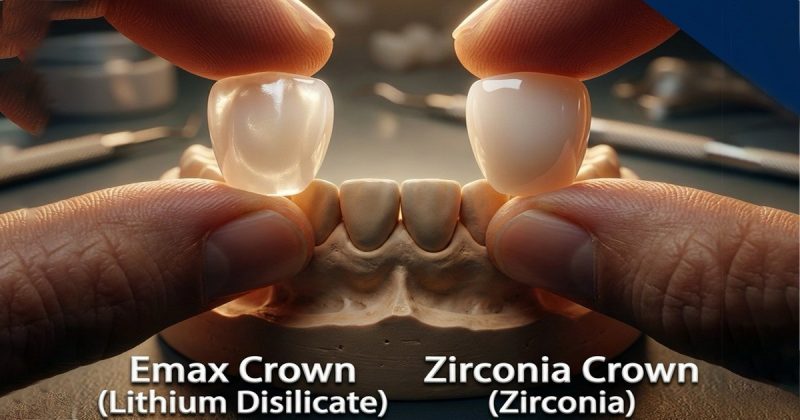
Introduction Selecting the right crown material has become more important than ever in modern restorative dentistry. Patients today expect restorations that not only last long but also look natural and feel comfortable. With advancements in ceramic materials, dentists now have excellent options, but this also means more decision-making at the chairside. Among all-ceramic restorations, lithium […]
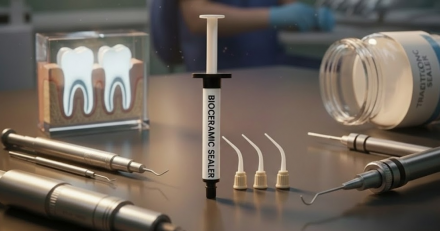
Introduction In everyday endodontic practice, success depends not only on shaping and cleaning but also on how well the root canal system is sealed. For many years, sealers were chosen out of habit rather than strategy. However, this approach has changed significantly in recent times.By 2026, bioceramic sealers have become an important part of modern […]
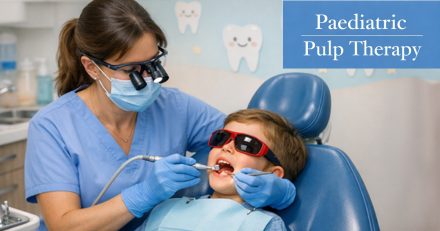
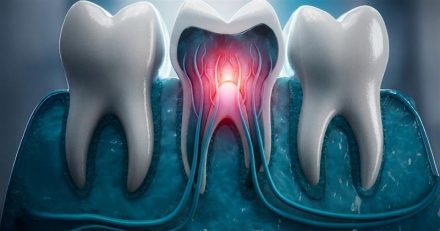
Introduction to Pediatric Pulp Therapy In children, caries reaches the pulp fast because primary teeth have thinner enamel, dentin and larger pulp chambers. When the pulp is inflamed or infected, the aim is simple: keep the tooth comfortable, functional, and in place until natural exfoliation. Saving a primary tooth helps: Pulpotomy Pulpotomy is a vital […]
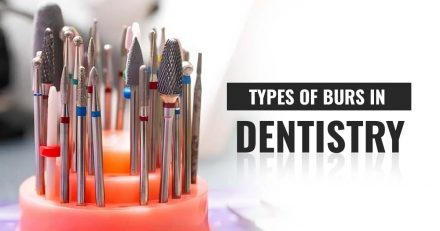
Dental burs are among the most frequently used rotary instruments in clinical dentistry. Their design, material, and shape directly influence cutting efficiency, surface finish, and clinical outcomes. A clear understanding of the different types of burs allows dental professionals to select the most appropriate instrument for each procedure, ensuring precision, safety, and optimal results. This […]
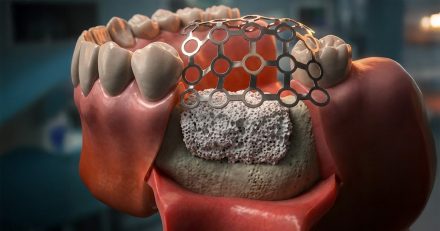
Guided Bone Regeneration (GBR) is a surgical procedure focussed at restoring lost bone in areas of the jaw that have been damaged by injury, disease, or trauma. GBR is primarily used to create a stable foundation for dental implants. It involves the placement of a bone graft combined with a barrier membrane to direct the growth of new bone and prevent unwanted […]
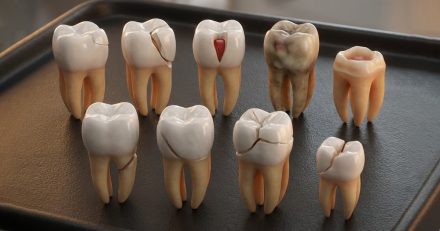
Dental trauma can happen at any time, whether from an accident, fall, or sports injury, and it affect the teeth but also the supporting tissues like gums, jawbone, and surrounding soft tissues. Whether you face a minor chip or a serious tooth fracture, understanding how dental trauma is classified and managed is crucial for a faster recovery. Dental professionals […]
Tooth sensitivity—also known as dentin hypersensitivity—is a common problem where teeth experience sharp pain when exposed to certain triggers like hot, cold, sweet, or acidic foods. It can also be triggered by brushing, flossing, or even breathing in cold air. This sensitivity can range from mild discomfort to intense pain, and it affects millions of […]
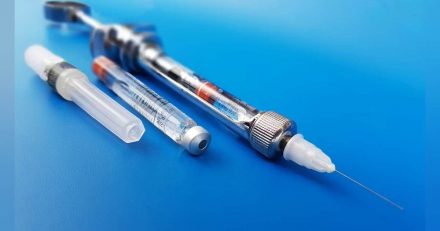
Local anesthesia is one of the main reasons due to which modern dental treatment feels comfortable and pain free. Behind every smooth numbing experience is a carefully designed tool—the dental anesthetic needle. Whether you’re a dental student learning the basics or a patient curious about how numbing works, understanding these needles can make dental care […]
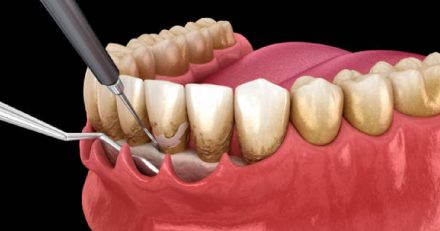
Introduction Periodontal disease continues to be one of the most common conditions that come across many dentists. Many patients respond well to scaling and root planning, but some progress to deeper pockets, bone loss, and persistent inflammation. In such cases, surgical periodontal therapy becomes essential. The good news: Modern periodontal surgery in 2025 is far more […]
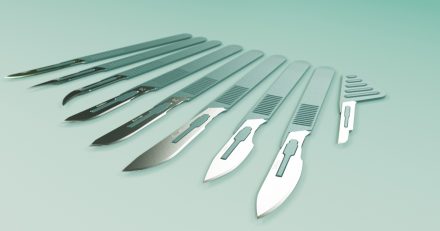
INTRODUCTION Scalpels or surgical blades are critical devices used by dentists and surgeons in dental procedures, designed to achieve precise incisions and the removal of soft tissue. The blade edges are very sharp, intended for clean cuts and are well controlled to cause minimum damage to the surrounding tissues. This precision is important; it allows […]