
History of Dental Scanners: Decade-by-Decade Advancements
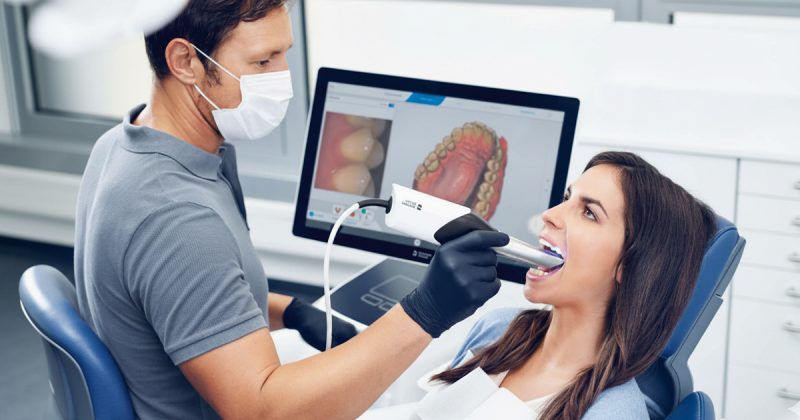
Digital dentistry has transformed the way clinicians diagnose, plan, and deliver treatments, and Intraoral Scanners are at the heart of this revolution. From bulky machines in the 1980s to today’s sleek AI-powered intraoral scanners, the journey has been nothing short of extraordinary.
Understanding this evolution helps dental professionals appreciate the technology they use every day and anticipate what’s coming next.
Here’s a clear, decade-by-decade breakdown of how dental scanners evolved over the years.
Digital Impressions in 1980s
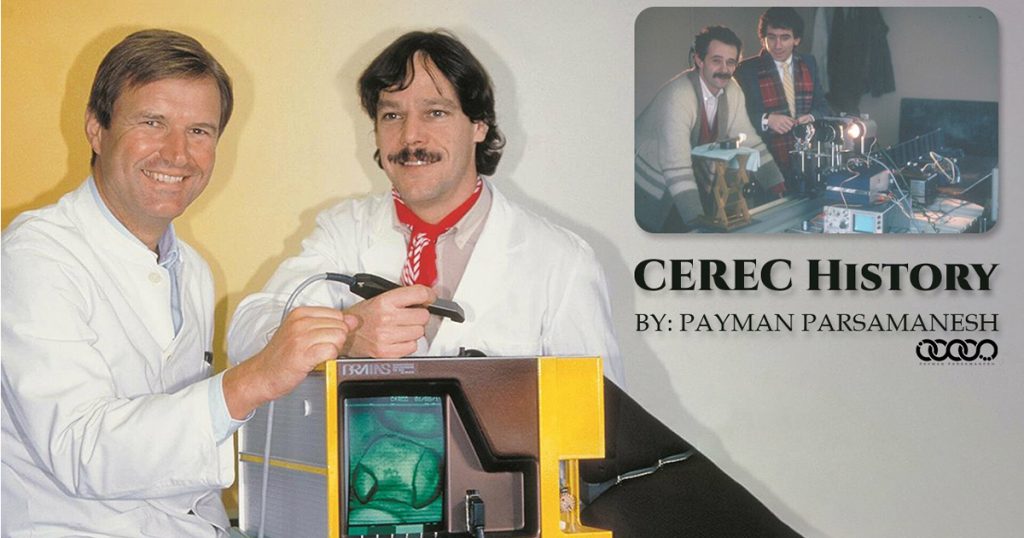
For digital dentistry, the 1980s began this innovative journey. During this period:
The first CAD/CAM dental system, CEREC by Sirona, was introduced in 1987. Early scanners utilized infrared light to capture the images of the teeth.
- Scanners were large, slow, and expensive, but opened doors to same-day dentistry.
- Emphasis was placed on the designing and making of crowns within the office and delivered to the patient on the same day itself.
Although quality was low compared to today’s standards, this decade laid out the groundwork for everything that was to follow.
1990s: Better Imaging Technology
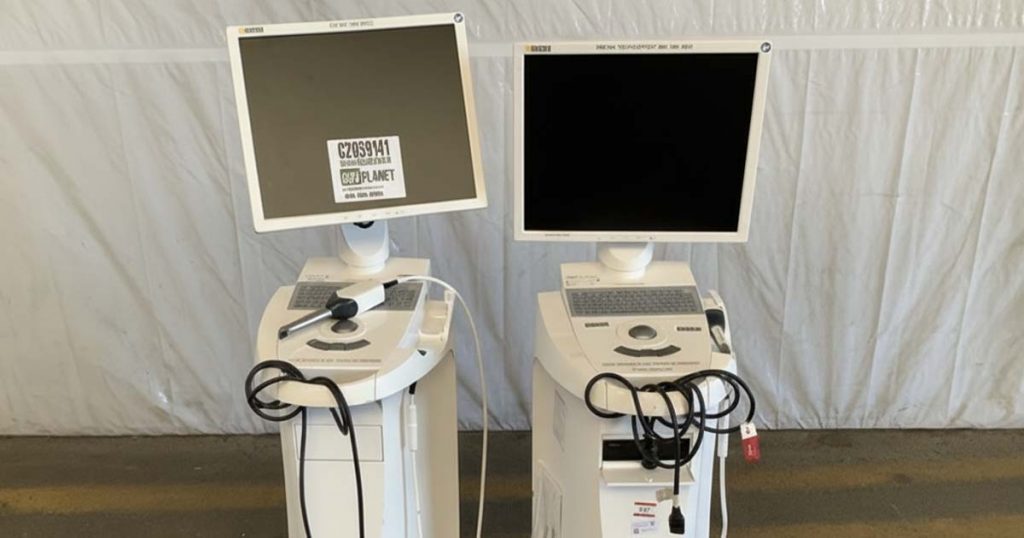
The 1990s brought major advances in usability and accuracy.
- The optical scanning systems became more reliable and less bulky.
- CAD/CAM software improved, offering better rendering and crown design tools.
- Digital workflows slowly entered mainstream prosthodontics and restorative dentistry.
Still, scanners required powder coating to capture accurate images, something that would later fade out with new technologies.
2000s: The Era of Modern Digital Dentistry
The early 2000s were turning points. Dental scanners became more refined, practical, and dentist friendly.
Key developments:
- Laser and structured light scanning have increased precision.
- Software became faster, more intuitive, and compatible with milling machines.
- Large manufacturers such as 3Shape & Waldent entered the scanner market.
- With this, the first actual chairside digital workflows began to be accessible to dental clinics. Digitization was no longer experimental dentists began trusting scanners for routine restorative work.
Decade 2010s: Era of High-Accuracy Intraoral Scanners
The 2010s are very much the decade when intraoral scanners began to go mainstream. Major enhancements include:
- There was no more powder coating – the scanners picked up clean images.
- Real-time 3D color imaging replaced single shade models.
- Faster processors allow for smoother live scanning with fewer rescans.
- Scanners became much lighter and more ergonomic.
- Integration with clear aligning systems (Invisalign & others) drove popularity.
Useful for Evaluation in:
- Smile design Digital dentures
- Implant planning
- Orthodontics
- Endodontic planning
Cloud storage and data sharing also made collaboration between labs and clinics easier than ever before.
2020s: AI, Cloud Dentistry & Ultra-Fast Scanning
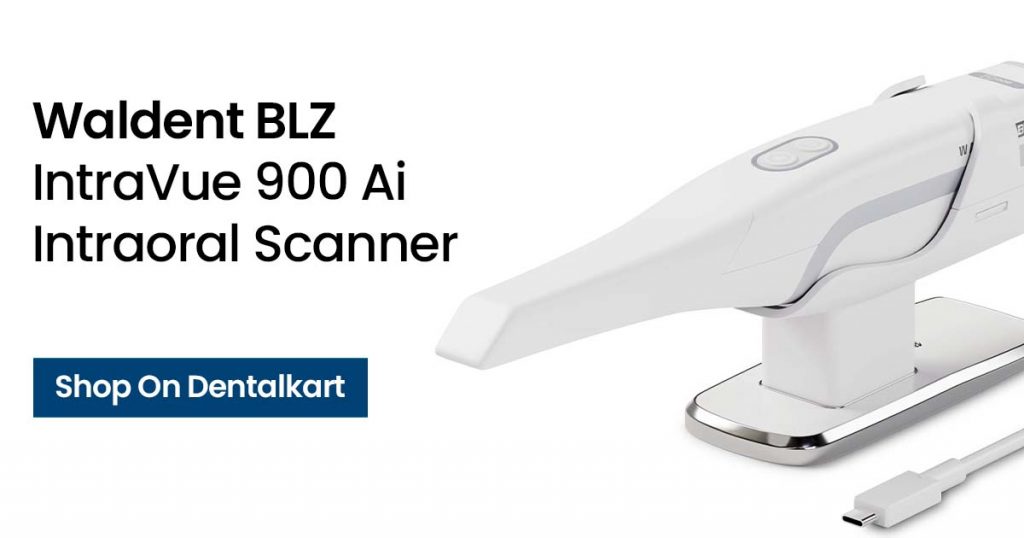
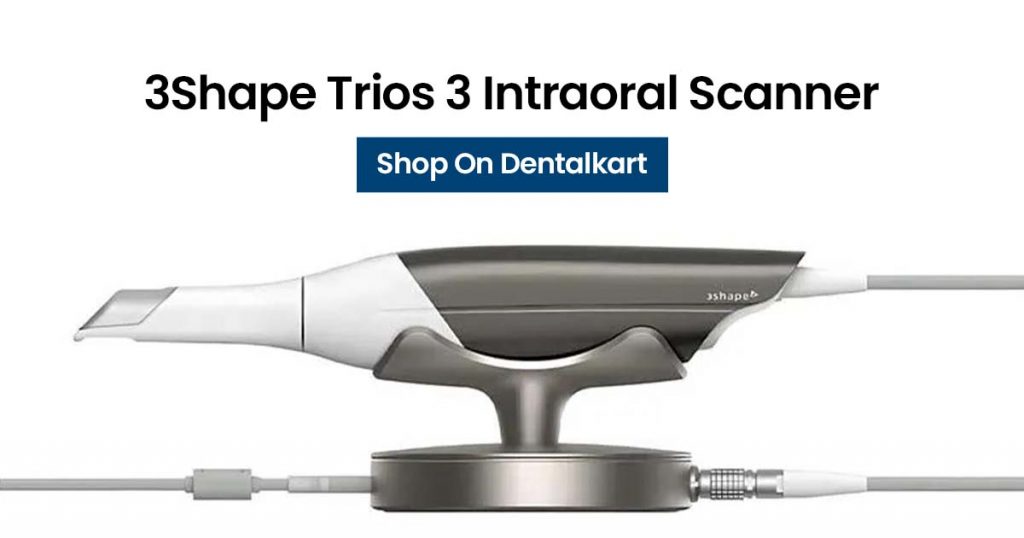
The most dramatic changes in dental scanner technology have come in the present decade. Features defining the 2020s: AI-powered tooth detection and fully automated margin marking. Improved Photogrammetry for Full-arch Implant Accuracy
They include:
- Wireless intraoral scanners hitting the market
- Cloud-native workflows for remote collaboration and lab communication
- Ultra-high-resolution scanning with vivid color reproduction
- Advanced patient education tools are integrated into the scanner software.
In addition, the COVID-19 pandemic accelerated the adoption of contactless digital workflows, making scanners a must-have in modern dental clinics.
What Each Decade Was All About
| Decade | Breakthrough | Impact on Dentistry |
|---|---|---|
| 1980s | Birth of CAD/CAM | Introduced digital crowns and restorative concepts |
| 1990s | Better optical imaging | More accurate and easier scanning |
| 2000s | Laser/structured light | Practical chairside workflows |
| 2010s | 3D color & powder-free scanning | Scanners go mainstream |
| 2020s | AI automation | Smart, faster digital dentistry |
Impact of Dental Scanners in Modern Practice
Faster Turnaround Time
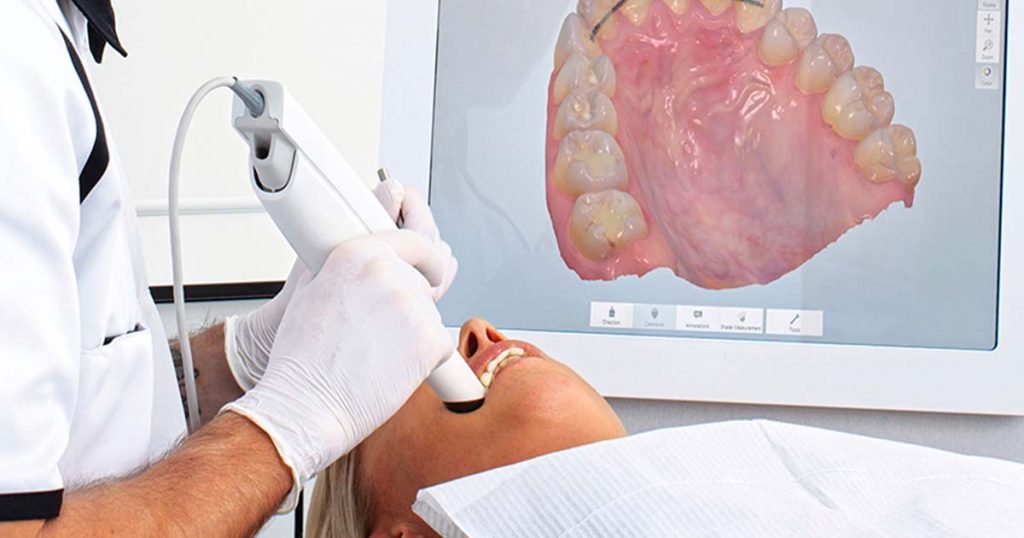
Traditional techniques of impression are slow. Scanners allow instant digital impressions that go directly to labs or in-house CAD/CAM units.
Better Accuracy, Improved Patient Comfort
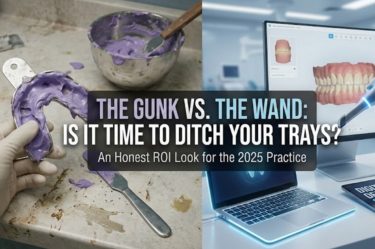
No more messy impression materials. Patients appreciate the cleaner, faster, and more comfortable experience.
Stronger Dentist-Lab Collaboration
Digital files share instantly, eliminating most remakes and miscommunication.
More Predictable Restorations
Everything from aligner treatment to implant placement is greatly enhanced in its precision by digital data.
Enhanced Patient Communication
Patients can see their oral condition on-screen, which boosts acceptance and trust.
Future Trends in Dental Scanners:
The Future of Dental Scanners Based on emerging trends, the next few years may bring:
Complete AI design workflows
Automatic crowns, aligners, guides designed Haptic feedback scanners for tactile sensation Low-powered, ultra-miniaturized wireless scanners with improved portability.
Multi-spectral imaging
Useful to detect caries and cracks.
Digital twin technology
Used for long-term tracking of patient bite, wear and soft tissues in the future for dentistry is predictive dentistry, using scanners to help diagnose conditions before symptoms appear.
Conclusion
From infrared scanners in the 1980s to today’s AI-powered intraoral devices, dental scanning technology has evolved dramatically, changing the way dentistry is practiced worldwide. These innovations have made workflows faster, treatments more predictable, and patient comfort significantly better. Understanding this journey helps both students and professionals appreciate the technology they use every day and prepares them for where digital dentistry is heading next. As dental scanning continues to advance, the future promises even more accurate, efficient, and patient-friendly digital workflows pushing dentistry into a fully digital era.
Frequently Asked Questions (FAQ)
The Waldent BLZ IntraVue 900 is an advanced AI-powered intraoral scanner designed for fast, accurate, and high-resolution digital impressions. It enhances workflow efficiency and improves patient experience.
AI algorithms in the BLZ IntraVue 900 automatically optimize image capture, reduce errors, and deliver precise 3D models in real time, ensuring superior accuracy and speed.
– Ultra-fast scanning speed
– High-resolution 3D imaging
– AI-driven accuracy and error correction
– Lightweight and ergonomic design
– Open system compatibility with major CAD/CAM software
Yes! The BLZ IntraVue 900 is designed with an intuitive interface and guided workflows, making it simple for both experienced professionals and beginners.
– Improved patient comfort (no messy impressions)
– Faster turnaround for restorations
– Enhanced treatment planning
– Boosted efficiency and productivity
Absolutely. The scanner supports an open system, allowing seamless integration with most CAD/CAM platforms and dental lab workflows.
Waldent provides comprehensive training, technical support, and regular software updates to ensure your scanner performs at its best.
You can order directly through Waldent’s official website or contact our sales team for personalized assistance and offers.

No Comment